

Whether you use your van for impromptu road trips or your nine to five, it's important to keep it in tip-top condition. After all, regular maintenance can save you money further down the road!
Use our guide to tick off all the maintenance must-haves for your van.
Why is van maintenance so important?
Maintenance is important for all vehicles, whether it’s a van or not.
It helps keep smaller problems in check so bigger and more expensive ones don't come about so easily.
A few other things van maintenance can help with include:
- fuel efficiency
- MOTs
- avoiding breakdowns
So, how can you keep your van maintained?
Quick checks for your van
There are a few quick checks you should run every week before driving your van:
- Press on your tyres to see if they’re very deflated
- Check your fuel levels
- Keep an eye out for any dashboard warning lights
You should also test your brakes gently while you set off to make sure they're working. Always do this if it's been raining or you've just washed your van!
How to maintain your van
Take these steps to keep your van in check.
Monitor tyres
The tread and pressure of your tyres are both very important. If one is too low, it can damage your van, put you in danger and even land you a fine.
Tyre tread
Each of your tyres needs a minimum tread depth of 1.6mm. If it’s less than that, you could end up paying a fine of up to £2,500. You could also get three points added to your licence for each tyre that’s under the 1.6mm limit.
A good way to check is using the coin trick. Put a 20p coin in the grooves of your tyre.
If the outer band of the coin is hidden, your tyres have enough tread. If you can still see the outer band, your tyres need changing.
Tyre pressure
You can check your tyre pressure using your own gauge, or by going to a petrol station. All you need to do is twist the cap off the tyre valves, connect the gauge, and you'll see the pressure.
Different vans have different recommended pressures. Your van's interior passenger-side door should show what’s right for yours. If you can't find it, check the driver manual.
Thinking about safety in the colder months? Check out our guide on winter tyres.
Check oil, screen wash and coolant levels
Your engine's oil and coolant are super important to keep your van running.
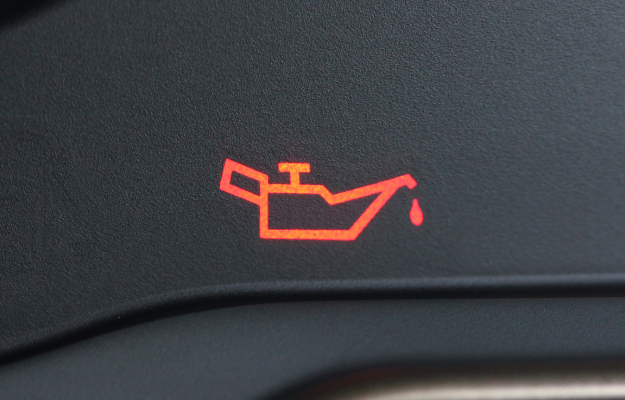
If something needs checking, your van has sensors that should set off a dashboard warning light. If you've got a newer van with a digital dash, warnings may be written out instead of shown as symbols.
If your van's oil level is low, you'll see this icon on your dash:
If the coolant level is low, you'll see this dash icon:

Before refilling your oil or coolant, make sure the brand and type you buy is right for your van. Using the wrong oil or coolant can be dangerous.
Wiper fluid keeps your windscreen clear so you can see what's ahead. It’s especially important when you're driving in rain, dust and snow.
If your van's wiper fluid is low, you'll see this light:

You can buy screen wash for your van's wiper fluid. Don't use just water, as it's not designed to wash your windscreen properly.
Not all vans have dashboard warnings for low wiper fluid, so it's best to check on it every month under the hood.
Look after your battery
Even diesel and petrol vans have a small battery to power electrics, like your radio and air conditioning.
To keep your battery in good health, make sure you:
- clean the terminals every few months with a mix of baking soda and water
- drive regularly to prevent battery death
- check the voltage using a multimetre
Check your insurance
Routine checks and maintenance are great for keeping your van healthy, but you can’t always avoid the unexpected.
Having van insurance is super important if your van needs work because of an accident, theft (if it’s recovered) or fire. It's also important to check your policy book to see what you’re covered for.
What do I leave for the professionals?
There are a few things you shouldn't do if you don't have experience with mechanics.
This includes:
- replacing brake pads and discs
- checking wheel alignment
- fixing suspension and engine issues
- diagnosing electrical problems
- fixing or replacing the air conditioning unit
What to check before a long journey
If you're going on a road trip or long commute, make sure you check your van's:
- wiper fluid
- oil and coolant
- brake fluid
- fuel
- tyre pressure and tread
If you're going to be driving at night, check that your van's lights are working, including the:
- headlights
- brake lights
- indicators
- reverse lights
How to look after an electric van
Fully electric vans rely on a battery to function, not an engine.
Because of this, you don't need to worry about engine oil and fuel levels. But you'll still need to check everything else we listed above.
You also need to check your electric van's battery range before each journey. Keeping an eye on your charging port for debris or damage can help too.
Make sure you check your electric van insurance to see what you’re covered for if you need to claim.
We've got a handy guide on the pros and cons of running an electric van if you're thinking of making the move to an EV.