
Whether you're driving through busy town centres, residential streets or car parks, staying alert can help keep everyone safer.
Road conditions can change quickly, especially in areas where there are lots of pedestrians, cyclists and children.
Here are some practical tips to help you stay aware of potential hazards and drive safely.
How can drivers prepare for busier roads?
The roads are often busier during rush hour and school holidays. That means more vehicles, pedestrians and distractions. Looking out for these things can help make your journey smoother and safer.
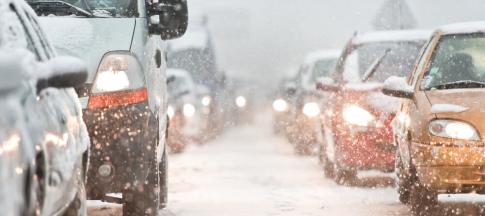
Check traffic updates
Before you travel, check for traffic delays, roadworks or diversions. Knowing what to expect can help you plan your route and avoid any unnecessary stress on the road.
Give yourself time
Allow extra time for your journey, especially during peak travel times like rush hour. Giving yourself enough time can help you stay calm, focused and better prepared for any changes on the road.
Watch out for pedestrians
Pedestrians might be crossing roads, walking between parked cars or waiting at crossings. Watch out for them and be prepared to slow down if you need to.
Keep a safe distance
Leave enough space between your vehicle and the one in front. This gives you more time to react if traffic suddenly slows or stops.
Why should you slow down in residential areas?
Residential streets can mean more people around. Driving slowly and sticking to the speed limit gives you more time to spot hazards and react safely.
Unexpected children or pets around
Children and pets can appear suddenly from driveways, gardens or between parked cars. Slow down so you can react more quickly if you need to stop.
Pedestrians and cyclists
There are often people walking, cycling or scootering in residential areas. Be prepared for them to change direction unexpectedly.
Shorter reaction times
The faster you're travelling, the less time you have to respond to hazards. Reducing your speed gives you more time to focus on the road and be aware of what's happening around you.
Remember that if you’re driving with your children in the car, they pick up more than you think! Our Mirror Signal Mistake campaign highlights how parents can pass on safe driving habits, like sticking to the speed limit and not using the phone.
How to spot potential hazards when driving around parks and playgrounds
Parks and playgrounds can be busy places, especially during weekends, school holidays and after school hours. Here are a few things to keep an eye on:
Sudden movements
Children might run into the road without warning while playing or chasing a ball.
Warning signs and markings
Look out for signs, road markings and reduced speed limits that tell you a playground, school or park is nearby.
Bikes and scooters
Children on bikes and scooters might not be as stable as adult riders. Give them plenty of space and be prepared for them to suddenly change direction.
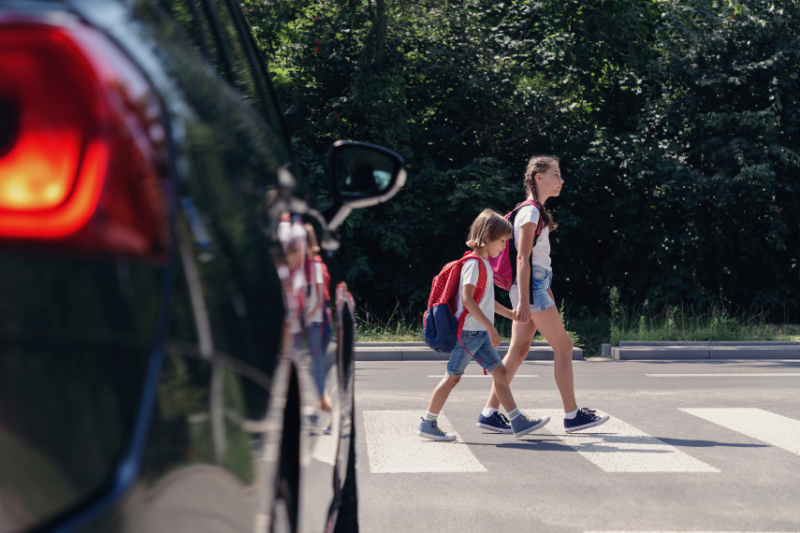
What should drivers look out for near pedestrian crossings?
Pedestrian crossings help people cross safely, but drivers still need to stay alert and watch for potential hazards.
Make sure you keep an eye on:
- pedestrians and cyclists waiting to cross
- people already crossing
- children, older people and those with mobility difficulties – they might need more time, so be patient
- pedestrians you might not be able to see – they might be in your blind spot
Approach crossings carefully, especially if parked cars, buses or other obstacles are blocking your view.
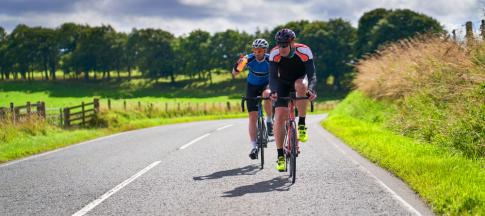
How to drive safely around children who are cycling or scootering
Children can be less predictable than adult cyclists and might not always be aware of nearby traffic. These driving habits can make sure everyone is safe.
Pass very wide
Leave plenty of room when overtaking children on bikes or scooters. Extra space can help protect them if they wobble or change direction unexpectedly.
Drop your speed
Reduce your speed when driving near children. This gives you more time to react to unexpected movements.
Wait patiently
If it isn't safe to overtake, stay behind and wait until it’s safe to do so. Don’t put pressure on cyclists by driving too closely.
Here’s some more safety tips for drivers and cyclists sharing the road together.
Why should drivers stay alert, even in car parks?
If you’re out shopping with the family, remember to stay alert when you’re driving and parking in a car park. Here are a few things to watch out for.
Vehicles backing out
Drivers reversing out of spaces might not be able to see everything. Slow down and watch out for moving cars.
Any distractions
People loading shopping, checking directions or using their phones might not always be paying attention.
Blind spots
Parked vehicles, pillars and walls can make it difficult to see what's ahead. Be careful when you’re approaching junctions and crossings.
Tight corners
Many car parks have narrow lanes and sharp bends. Reduce your speed and keep a lookout for approaching vehicles and pedestrians.
Stay safe wherever you're driving
Safe driving is about staying aware of what's happening around you and being prepared for the unexpected.
By looking out for pedestrians, cyclists, children and other road users, you'll have more time to react to potential hazards and make safer decisions behind the wheel.
We have lots more driving tips and advice for staying safe on the roads.
And, if you're planning a family road trip, here’s some more tips for travelling with young children.
 ,
,  ,
,