


If you’re a landlord, winter can be slightly daunting. You could be looking at mould, damp or heating problems in your rental property.
Most landlord insurance policies won’t cover mould and damp, so it’s even more important that you stay on top of these things. Plus, it’s part of being a good landlord!
If you take a few steps to prepare yourself and your tenants for winter, you should have an uneventful cold season. Here are a few things to check before winter arrives.
Landlord checks for inside the property
If you have tenants living in your property, you might need to ask them to check some areas for you. Just let them know you’ll fix any problems that come up.
Or you could ask for a quick afternoon to do some internal checks of the property yourself before winter sets in.
Safety and alarms
It’s a legal requirement to have smoke and carbon monoxide alarms in your rental property. And it’s your responsibility as a landlord to make sure they’re working.
Ideally, you should test the alarms monthly, but it’s important to check them before heading into the winter months:
- With smoke alarms, you should hold down the button until the alarm sounds briefly.
- With carbon monoxide alarms, you normally need to hold down the button until you hear a series of beeps.
Different models have different ways of testing, so always check them to be safe. If they don’t seem to work, you’ll need to either replace the batteries or the alarm itself.
Kitchen and bathroom
Kitchens and bathrooms create the most moisture in a home, so they're often the first places where damp and mould appear.
Check for:
- leaking taps, pipes and seals
- signs of mould around baths, showers and sinks
- blocked extractor fans
- damaged grout or sealant
Make sure extractor fans are working properly and encourage tenants to use them when they’re cooking or showering.
Good ventilation can help reduce condensation and prevent mould from forming.
Heating and electrics
If you haven’t turned the heating on for a while, air can enter the system and form bubbles at the top of your radiators. This stops them from working efficiently.
So, you should bleed all of your radiators before the cold sets in. Check out our guide to how to bleed radiators.
You should also test the boiler to make sure it’s running correctly before the winter months.
Every boiler manufacturer recommends annual servicing to prevent problems. It helps you save energy, money and makes them last longer.
Read our full guide to preparing your boiler for winter.
Walls, floors and doors
Look at the walls, floors and doors for signs of damage that could get worse during winter.
Check for:
cracks in walls
- loose floorboards or damaged flooring
- doors that stick or don't close properly
- gaps around doors that could let cold air in
Damp and mould
Damp and mould can be harder to deal with once they've taken hold, so it's best to spot issues early.
Look out for:
- black mould on walls, ceilings or around windows
- peeling wallpaper or paint
- musty smells
- damp patches on walls or ceilings
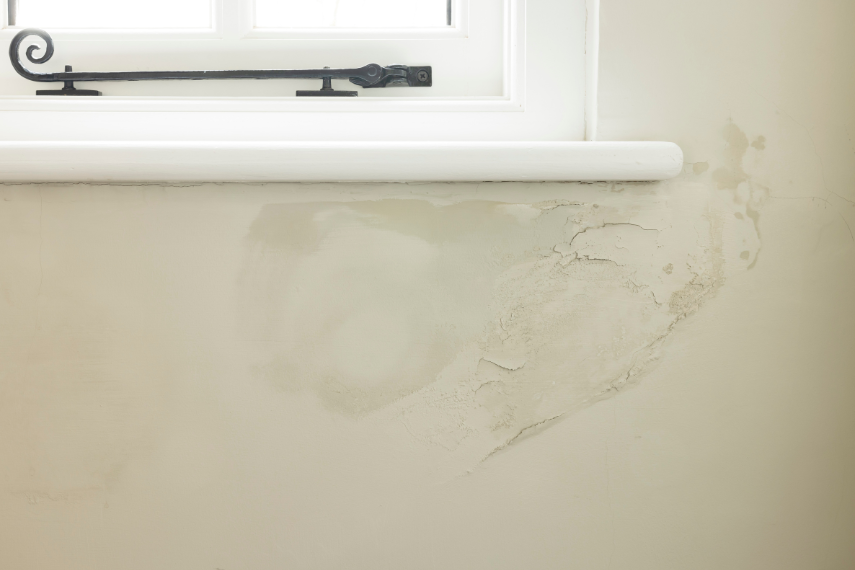
If you find any signs of damp, try to identify the cause as soon as possible. It could be caused by things like leaks, poor ventilation and condensation.
Landlord checks for outside the property
Here are a few things you should check outside the property to make sure it’s in good condition.
Roof and chimney
It’s worth checking the roof and chimney.
You should:
- check for any damage
- look for missing tiles
- make sure the chimney is in good condition
- look out for cracked bricks or if it’s leaning at an odd angle
It’s best to repair these before the cold properly sets in, so it’s safe in storms or other extreme weather.
You can get a professional to look at it if you don’t feel comfortable doing it yourself.
Walls and foundations
Walk around the outside of the property and check for signs of damage.
Keep an eye out for:
- cracks in external walls
- damaged brickwork or pointing
- signs of movement around doors and windows
- standing water near the property's foundations
Doors, windows and security
Well-maintained doors and windows can help keep the rental property warm and secure, especially during the winter.
Check that:
doors and windows open and close properly
- locks work as expected
- seals are in good condition
- there are no gaps letting in draughts
Outdoor lighting
If you have any outdoor lights like security or porch lights, make sure they work properly.
Replace any bulbs that aren't working and make sure sensors work. Good lighting can help tenants stay safe and deter any unwanted visitors.
Gutters and drains
If it’s safe to, clear your guttering of any debris. You can follow our step-by-step guide to cleaning your gutters.
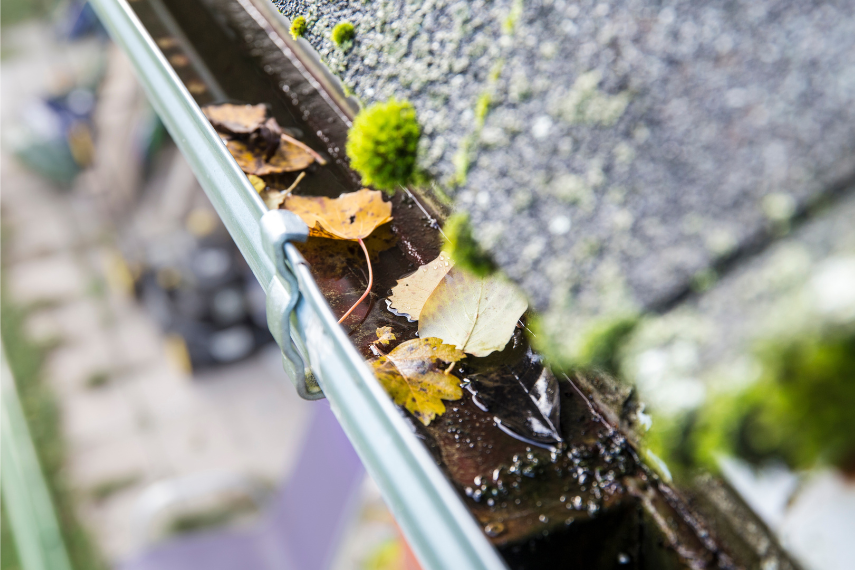
If you don’t feel comfortable doing it yourself, you can get a professional to do it for you.
It’s important to make sure all your drainage systems are unblocked, so water can flow properly.
Let your tenants know what to do
There are a few things your tenants can do to help look after your property, especially when the seasons turn.
Take a look at our home maintenance tips for tenants:
Daily upkeep tasks
Ask your tenants to carry out a few simple checks throughout winter.
These include:
- keeping the heating on at a reasonable level
- opening windows regularly to improve ventilation
- wiping away condensation
- keeping vents clear
Small daily habits can help prevent bigger problems later on.
Preventing damp and damage
Encourage tenants to reduce excess moisture in the property by:
- using extractor fans when cooking or showering
- drying clothes in well-ventilated areas
- reporting leaks quickly
- keeping furniture slightly away from the walls so that air can circulate
Reporting issues
Ask tenants to report home maintenance issues as soon as they notice them.
This includes:
- leaks
- heating problems
- broken locks or windows
- signs of damp or mould
The sooner you're aware of a problem, the sooner you can arrange home repairs and help prevent any further damage.
How do you make a buildings insurance claim?
If your property is damaged by something unexpected, get in touch with us as soon you can to start your claim.
Before making a claim:
- check what your policy covers
- gather info of what happened
- take photos of any damage
- keep receipts for emergency repairs
We’ll explain the next steps and let you know what information we need from you.
Protect your property with landlord insurance
Regular maintenance checks can help keep your property in good condition throughout winter, but unexpected problems can still happen.
These are just some of the most common landlord insurance claims we get.
Landlord insurance can help protect your property and give you peace of mind if things don't go to plan. Just make sure you check what is and isn’t covered.
We also have lots more property maintenance guides to help you keep on top your rental.