
When temperatures rise, it can be difficult for your pets to escape the heat.
Here are our top tips for keeping your pet safe and happy in hot weather so they can stay cool and enjoy the summer.
How to keep your dog cool
It's easy for dogs to overheat, as they don't sweat like humans do when they're hot. Instead, they pant and use their paw pads and nose to release heat.
Here are some ways you can help your dog stay cool:
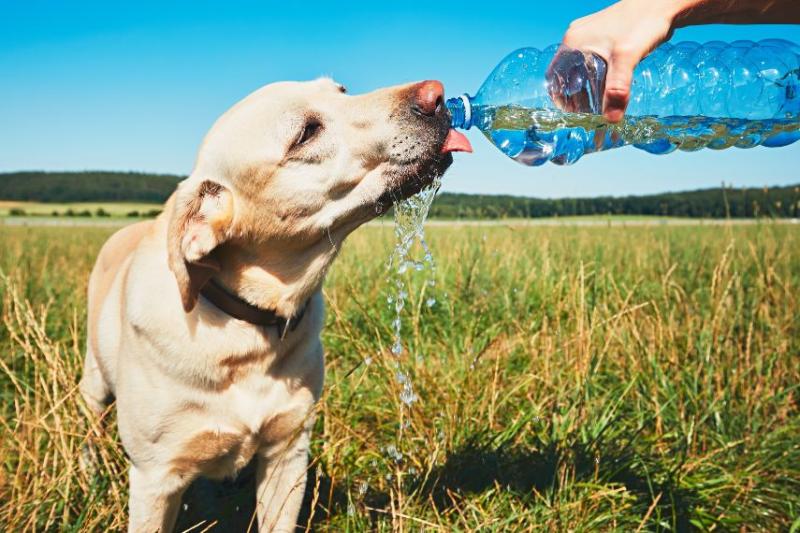
Make sure your dog is hydrated
An easy way to do this is by making sure they always have access to fresh water. You could add ice cubes to their water bowl to make it extra cool.
These are the signs to look out for if your dog is dehydrated:
- vomiting
- panting, or changes in their breathing
- sunken eyes
- dry gums
- low energy
- tighter, less stretchy skin
- weakness
Grooming
You might want to get your dog groomed before and during the summer, so their coat is shorter for the hot weather.
Frozen snacks
Ice cubes or small chunks of frozen fruit and veg are quick, simple snacks that can help cool your dog down.
Make sure rooms are ventilated
When you’re at home, keep your windows open or use a fan. We have some helpful tips on keeping your house cool in a heatwave.
Let them have access to shade
It’s best for your dog to stay inside if it’s hot. But if you’re in the garden, make sure there’s a shady spot for them to relax in.
Set up a paddling pool
If your dog likes water and you have a garden, you could get a small paddling pool for them to splash and cool down in. Just make sure it’s not in direct sunlight.
Can dogs get heatstroke?
Yes. Just like humans, dogs can get heatstroke too and become seriously ill.
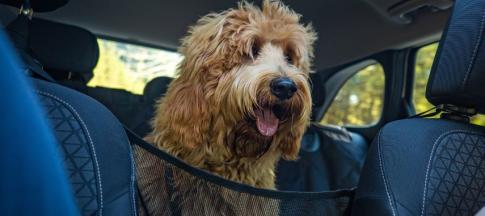
To avoid this, don’t leave your dog in a car or outside when it’s hot and sunny.
The RSPCA found that if the temperature outside is 22°C, it'll reach 47°C in a car within an hour. These temperatures can be unbearable for dogs, and are very dangerous.
If you have to go out, it’s best to leave them at home.
What are signs my dog has heatstroke?
Heatstroke can come on in a matter of minutes, but the symptoms only show when dogs are already quite unwell.
Here are some of the key signs to look out for:
Tiredness
If they’re too hot, they might seem more tired, sleepy or sluggish than usual.
Upset stomach
Heatstroke can sometimes make their poos softer and runnier, even if they haven’t eaten anything that would normally upset their stomachs.
Not walking in a straight line
If your dog’s feeling light-headed or dizzy from the heat, they might struggle to walk properly.
Heavy panting
Dogs don’t sweat like we do. Instead, they try to shed excess heat through panting. If they’re panting a lot, it means they’re too hot.
What to do if your dog has heatstroke
If you think your dog has heatstroke, you should:
- move them somewhere cool and breezy
- wet their fur with cool water, avoiding their head
- use a fan to cool them down
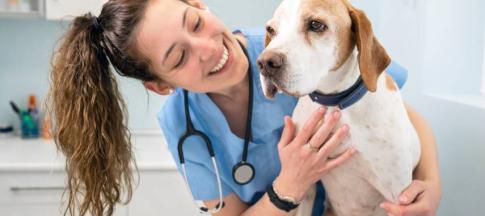
If you’re still worried, you need to get them to a vet. Call your vet or take them straight there.
You might need to call a special emergency helpline or ring a different emergency vet to be seen, if it’s out of hours.
If you have pet insurance with us, you’ll have access to PawSquad. This is a 24-hour vet helpline, so you can speak to a vet whenever you need to.
How to keep your cat cool
Keep your feline friend nice and cool with these top tips:
Make sure your cat is hydrated
Give them plenty of cool water. If your cat is out exploring on a warm day, put a bowl of water outside for them to drink from.
These are the signs to look out for if you think your cat is dehydrated:
- panting or drooling
- weakness
- paler, drier or stickier gums than normal
- loss of appetite
- increased heart rate
- sunken eyes
- hot paws
Block the sun
Lots of cats love lying in the sun, but make sure they’re not out there for too long. Bring them inside if it’s too hot or make sure they have a shady spot to lie in.
Make sure your home is ventilated
Keep your windows open or use a fan when you’re at home.
Change the time they go outside
Keep them inside when the sun is strongest – this is between 11am and 3pm. If it’s really hot, it’s best to keep them indoors all day until it’s cooler outside.
Sheds, conservatories and greenhouses can get really hot in the sun, so you might want to lock them to stop your cat from getting in and overheating.
What are the signs my cat has heatstroke?
It’s important to be able to recognise the signs of heatstroke in cats, so you can help them as soon as you can. These include:
Dark red gums and tongue
This is because blood is pushed to the front of their gums to try and release the excess heat. If their gums and tongue are dark red, this means they’re too hot.
Excessive drooling
Cats will start drooling if they’re too warm and can’t control their body temperature.
Changes in their breathing
Similar to dogs, if they’re panting a lot, it means they’re too hot.
Agitation or restlessness
Pacing back and forth can be a sign that they’re looking for cooler, shadier spots to rest in.
You can find more helpful advice on understanding your cat’s body language in our guides.
What to do if your cat is showing signs of heatstroke
You should:
- move them to a cool and breezy spot straight away
- try cooling them down with a fan or a cool, damp towel
- give them water to drink
If you’re still concerned, call your vet or an emergency vet if it’s out-of-hours.
If you’re close to your vet surgery, it’s better to take them there straight away.
Admiral pet insurance includes access to PawSquad, a 24-hour vet helpline that allows you to speak to a vet whenever you need to.
Why is heat harder for pets?
We sweat when it gets hot, but dogs don’t. Instead, they try to stay cool by panting. Panting doesn’t cool them down as quickly as sweating does, so they can overheat quickly – even in winter!
Cats try to cool themselves down the same way. They also groom themselves to stay cool.
While they don’t tend to overheat as quickly as dogs, they can become dehydrated and get too hot. Especially if they don’t drink enough water or stay out of the sun.
If you want to know more about looking after your pet, we have plenty of pet health guides for you to help keep them safe.
Tips for walking your pets in summer
Thinking of heading out for a summer walk? Here are some top tips to follow when it’s hot outside:
Choose a cool, shaded route
Pick a route that’s in the shade and out of the sun’s heat, so your pet has a chance to cool off if they need to.
The 5-second test
Don’t forget to check how hot the pavement is before you leave. Black tarmac can get very hot in the sun, and paw pads burn easily. If you can’t touch the pavement for more than five seconds, then it’s too hot for your dog’s paws.
Protect their paws
Grass and shaded paths are kinder to your pet’s paws and help protect them in warmer weather.
Hydrate on the go
Take plenty of water and a bowl with you so you can both stop for a mid-walk drink to cool down.
Take break and go slow
When it’s warm, stick to an easy pace and take plenty of breaks. Hot weather isn’t the time for lots of play or overdoing exercise.
How to protect your pet from sunburn
Avoid peak hours
On warmer days, it’s best to walk your pet early in the morning or later in the evening when its cooler. Try to avoid going out between 11am and 3pm, when the sun is the strongest.
Use pet-safe sun cream
Put some pet-safe sun cream on their nose, ear tips and any other exposed areas of skin when they’re in the sun.
Never use ordinary sun cream for humans. It can be toxic for pets, so always choose one made for them.
Check the UV index
This shows how strong the sun and the risk of sunburn. The higher the number, the more chance you and your pet can burn.
You can find the UV index on your phone’s weather app.
Limit their time in the sun
Keep their time in the sun short. If they want to be outside, make sure they’ve got plenty of shade to cool down.