
Heatwaves in the UK don’t come around often, so when they do, they can take us by surprise and be tough to deal with.
And with warnings of more to come, it’s important to know how to keep you, your family and your home safe.
What’s the definition of a UK heatwave?
According to the Met Office, a UK heatwave is at least three days of very hot weather, reaching a set temperature for that area.
The exact temperature differs depending on where you are in the UK, but it’s usually around 25°C to 28°C or higher.
How do I keep my home cool during a heatwave?
Here are some simple steps you can take to keep your home cool:
Shut your windows and blinds
You might be tempted to open your windows to feel a much-needed breeze. But closing your windows, curtains and blinds during the daytime is actually more effective at blocking out the heat.
You can open your windows again at night once the temperature outside has cooled.
Reduce how much you use your oven and electronics
Try to reduce how much you use appliances that can heat up your home, like your:
- oven and hob
- washing machine and tumble dryer
- hairdryer and straighteners
- TV and laptop
Use them earlier in the morning or later at night, when it’s a bit cooler outside.
Target one room to cool down
If you live in a larger house, it might be more manageable to create a cool room. Focus on one room like your bedroom or living room and try to spend most of your time in there.
How do I keep myself cool during a heatwave?
Try these tips to stay cool during the day:
Cool showers
Turn the temperature down when you take a shower. This will help you reset your body temperature, especially if you’ve woken up in a sweat.
Drink plenty of water
Staying hydrated is one of the best ways to regulate your body temperature. And during a heatwave, you’ll need more water than usual.
Carry a water bottle so you’ve always got some with you, especially if you’re outdoors.
Try the ice fan hack
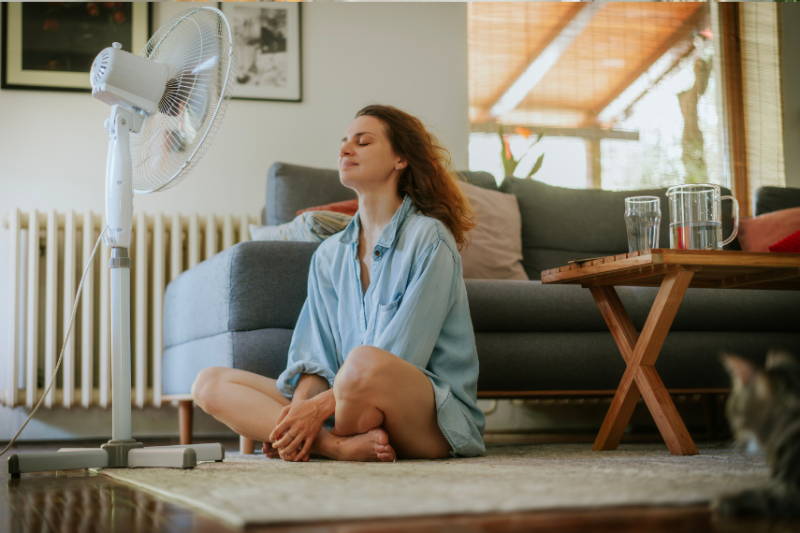
Place a bottle of iced water or a bowl of ice in front of your fan. As the fan blows air over it, it can help create a cooler, more refreshing breeze.
Wear and use natural fabrics
Choose natural fabrics like cotton and linen for your clothing and bedding.
They’re lightweight and absorb moisture, which helps the air around your body circulate so your skin can breathe.
Be sun smart
If you’re spending a lot of time in the sun, your body temperature will heat up throughout the day.
The hottest hours of the day are usually between 11:00am and 3:00pm. Try to avoid going outdoors during this time if you can.
How to look out for signs of heat-related illnesses
Hot weather can affect your body more than you might expect. Spotting the signs early and acting quickly can help prevent more serious illness.
Symptoms of heat-related illnesses
The symptoms of a heat-related illness can vary from person to person. This could include:
- feeling dizzy, weak or faint
- heavy sweating and clammy skin
- headaches or feeling sick
- fast pulse or breathing
- muscle cramps
- feeling very thirsty
Find out more about the symptoms of heat exhaustion and heatstroke on the NHS website.
Things you can do to cool someone down
To help cool someone down, the NHS recommends you:
- move them to a cooler place
- remove extra layers of clothing like jackets or socks
- get them to drink some water or a sports drink to help them rehydrate
- cool their skin with a water spray or cool wet sponge and fan them
What to do if nothing changes after cooling down attempts
If nothing improves after 30 minutes, get medical help. Call NHS 111 for advice or 999 in an emergency.
Stay with them and keep trying to cool them down until help arrives.
Protecting vulnerable people during a UK heatwave
Some people are more likely to be affected by a heatwave. This could include people over 65, children under five and people with long-term health conditions.
Check in on your friends or family who might be more vulnerable to heat exhaustion.
Read more about who’s most vulnerable in a heatwave on the GOV.UK website.
How can I sleep better during a heatwave?
Hot nights can make it harder to get a good night’s sleep, and tiredness can make it harder to cope with the heat in the daytime.
Here are a few things you can try to help you drift off:
Create night airflow
Open your windows after sunset when the air outside is cooler. Create a breeze by opening windows on opposite sides of the room, and keep internal doors open to let the air move freely through your home.
You can also use a fan to help circulate cooler air from outside.
Lower your bed
Hot air rises, so higher rooms will feel warmer. If you’re in a multi-story house, you could set up camp downstairs or in whichever room feels coolest.
Use thin sheets
Swap your duvet for lightweight sheets made from breathable fabrics like cotton or linen.
Avoid hot and spicy food
Spicy foods can raise your body temperature. Try eating lighter, cooler meals in the evening – as heavy meals before bed can make you feel hotter. And don’t forget to stay hydrated with plenty of water.
Lightweight pyjamas
Wear lightweight, loose-fitting pyjamas and try to avoid synthetic fabrics that trap heat.
How can I protect my pets during a heatwave?
The steps to keep your pet safe in a heatwave aren’t too different from taking care of yourself. This includes making sure they’re hydrated and stay indoors during the hottest hours of the day.
Keeping your pets safe outside
If you’ve got a dog or an outdoor cat, there are a few things you can do to make sure they stay safe when they do venture out:
- Avoid walks in the middle of the day – stick to mornings and evenings.
- Walk in shaded areas like your local woods and make sure they don’t over-exercise.
- Fill a portable bottle and drinking bowl with fresh water to take on their walks.
- Invest in a cooling mat or paddling pool for garden time.
- Try a pet-friendly sun cream! You can find SPF creams and nose balms at some pet stores.
What to do if your pet is acting strange
Your furry friend might show some strange signs if they’re affected by the heat. This could include heavy panting, dribbling more than usual, vomiting and diarrhoea.
If they’re feeling under the weather, you can:
- give them small amounts of water to drink
- move them into a shaded or cool area
- sponge them down with water
If you’re worried your pet might have heatstroke, call your vet so they can advise what you should do next.
Find out more about how to keep your pet safe in hot weather.
Protecting my house in a UK heatwave
Just like storms and cold weather, extreme heat can also affect your home. Keeping your home well maintained can help you avoid damage.
Look out for signs of subsidence
Long periods of heat can dry out the ground underneath your home, especially if it’s built on clay soil. As the ground dries and shrinks, it can cause subsidence. This is a serious issue that can affect your home’s structure.
Signs of subsidence could include:
- cracks in walls, ceilings or around doors and windows
- doors and windows sticking or not closing properly
Read our complete guide to subsidence to find out more.
Keep your roof in good condition
Extreme heat can cause the materials on your roof to expand and wear over time. Keep an eye out for:
- loose, cracked or damaged tiles
- blocked or dried out gutters and drains
Regular roof maintenance can help prevent bigger issues later.
Check your loft is insulated properly
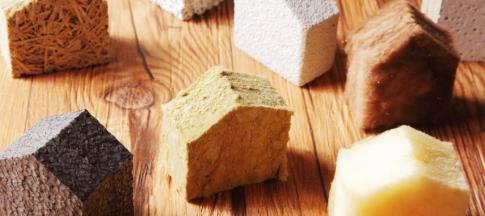
Good insulation doesn’t just keep your home warm in the winter, it also helps keep heat out in the summer. Check your loft insulation is evenly spread and in good condition.
Check window and door seals
Heat can cause seals to dry out, crack or warp. And damaged seals can let hot air in and cool air out.
If they’re damaged, replacing your window and door seals can help keep your home cooler in the summer.
Find out how more about how extreme weather can affect your home in our guide.