We're not short on beautiful countryside walks for you and your furry friend in the UK. Before you set off, here are a few things to be aware of so you can have the most relaxing and enjoyable time together.
Preparing for your countryside dog walk
Before you reach for your dog's lead, here's some things to consider.
Choosing your route
Plan your route ahead of time and follow public foot paths. Remember to consider your dog's fitness level and any health concerns too.
Long hikes might be a dream for more energetic breeds like Border Collies or Australian Shepherds.
But some dogs could get tired more quickly. For example, if you've got a smaller dog with breathing difficulties, like a Pug, or an older dog who might struggle with arthritis.
In that case, plan a route that will work for them and take it slow.
What to pack
Remember to pack these essentials:
- Poo bags
- Treats
- Water and a portable dog bowl
- A tick remover, just in case
- A torch if you’re walking in the dark
Also, make sure your dog's wearing a tag with your details (and that they're microchipped too).
Practice your dog's recall
If you're going to let your dog off the lead on your walk, make sure you practise their recall. It's important you're confident they'll come back to you when you call.
For more tips on training your dog, head over to our training hub.
Prepare for the British weather
We're no stranger to rain and storms in the UK. If you're heading out in the colder months, make sure you're prepared:
- Pack high visibility clothes: if it’s dark or the visibility is poor, wear a high-vis jacket and get a reflective or LED collar for your dog.
- Choose weather-appropriate gear: remember your waterproofs and if it’s going to be muddy, sturdy walking boots or wellies too. Your pup might need a raincoat too.
- Avoid flood zones: some areas in the UK are more at risk of flooding. Avoid these during stormy season or if there are flood alerts in the area.
Does your dog get anxious during storms? Check out our guide on how to calm your pet during extreme weather.
Respect wildlife and livestock
It's your responsibility to respect the wildlife and livestock of the countryside, and to make sure your dog does too.
How to protect plants, crops and other wildlife
The best way to do this is to stick to the designated paths. If there's a field of crops, don't let your dog walk all over them.
Also, watch out for any signs about dog restrictions at certain times of the year. For example, some spots might be a no-go during bird nesting or lambing season.
How to walk your dog safely around livestock
If you're near livestock, you need to give them enough space and keep your dog on a short lead. If you can see animals with their young, it's best to go another way if you can.
If your dog chases, corners or attacks livestock, this is known as 'livestock worrying' and is a crime.
In England and Wales, they introduced higher penalties for this in March 2026. That includes unlimited fines and even seizing your dog.
It’s important you keep your dog under control, as a farmer might also have the right to shoot a dog that chases or attacks animals.
How to check your dog for ticks
Your dog could pick up ticks in long grass while you're out and about, so check them over after your walk.
- Run your hands over their body to feel for small bumps. Pay close attention to their paws, ears and neck.
- If you feel anything, part the fur to have a proper look. If your dog’s fur is dark brown or black, it can be handy to use a torch so you can see properly.
- If you spy a tick, use a tick remover tool or a pair of tweezers to very carefully remove it.
Make sure you keep up to date with regular anti-tick treatments to reduce the risk. And remember humans can get ticks too – so check over yourself as well!
How to avoid toxic plants and fungi
Your dog might come across some toxic plants or mushrooms on your walk. Here are some ways to keep them safe:
- Treat all wild mushrooms as unsafe: some wild mushrooms are perfectly safe to eat, but it’s best not to chance it.
- Stick to marked paths: don’t let your dog wander off out of sight, as you don’t know what they could find and eat while they’re exploring.
- Nail the ‘leave it’ command: if your dog does get a hold of something they shouldn’t, teach them the ‘leave it’ command so they drop it when you ask.
- Keep your dog on a lead: if you can see some plants or fungi you’re worried about, keep them on a lead while you go past.
Find out more about plants that can be toxic to dogs.
Watch out for countryside hazards
There are a few other things to watch out for while you're out and about, including:
- Grass seeds: these can get stuck in your dogs’ paws and cause real problems. If your dog’s been running through long grass, give them a check over once you’re home.
- Slugs and snails: they’re not typically poisonous to dogs, but they can carry diseases like lungworm. If you suspect your dog’s eaten one on a walk, speak to a vet ASAP.
- Litter and discarded food: unfortunately, people do still litter in the countryside. Watch out for your dog eating rubbish or anything else that might have been left behind.
Rivers, lakes and other bodies of water
If your route includes a river, lake or stream, remember to stay safe and look out for:
- Fast-flowing or deep water – even for the strongest swimmers, this can be dangerous.
- Blue-green algae on the surface – this type of algae is toxic to dogs.
- Contaminated water – it’s best to avoid if the water looks stagnant or is full of litter.
Read our in-depth guide on keeping your dog safe in water.
Your next favourite walk
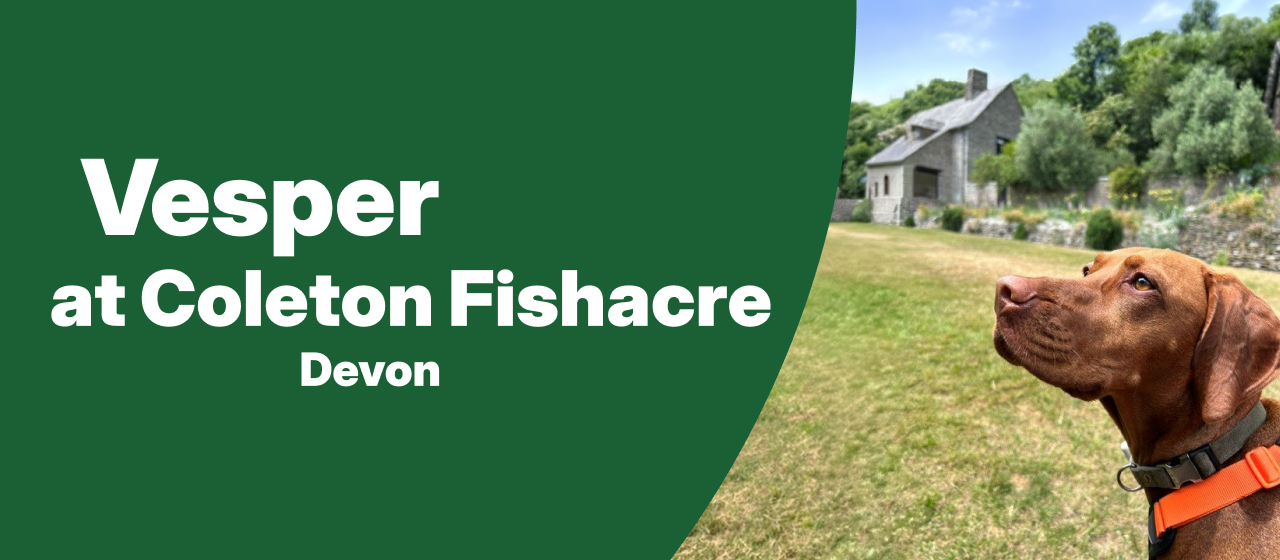
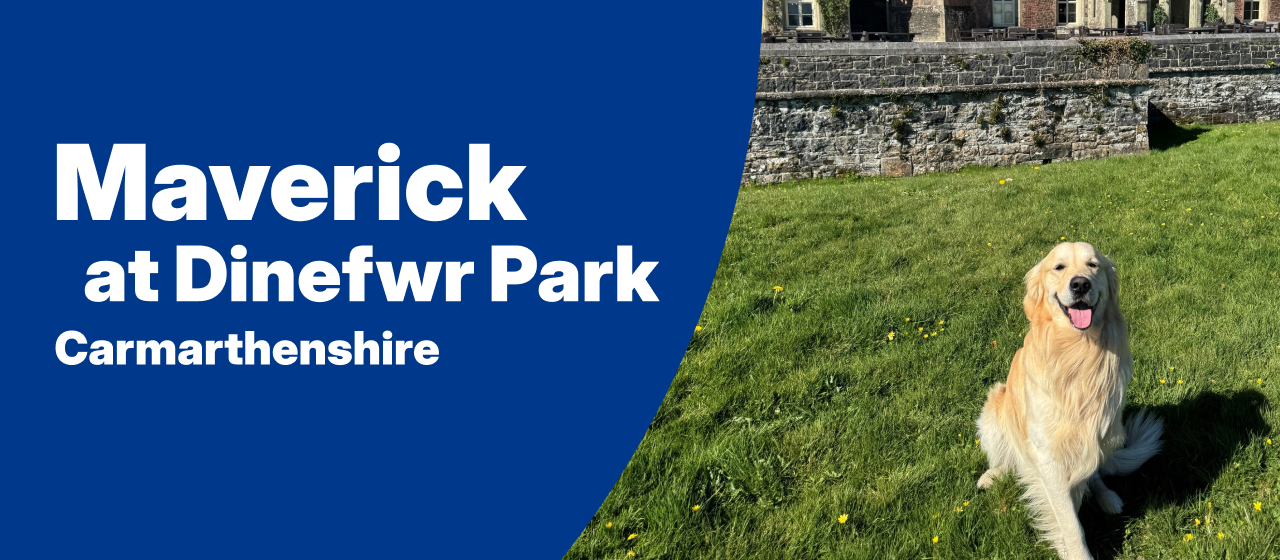
Not sure which route to take? Our partner, the National Trust, have plenty of lovely countryside walks for you to enjoy.
Here are the favourite spots of some of our very own Admiral dogs:

Protect your pooch with pet insurance
We hope your countryside walks are lovely and relaxing for both of you. But even so, it's good to have a safety net just in case.
Dog insurance can help you with the cost of vet bills if something happens, so you can focus on getting your pup back to their best self.
Plus, your Admiral Pet Insurance includes 24/7 online vet support with PawSquad. That means if you're worried about your pup, you can get advice and treatment recommendations any time of the day or night.
Cover limits and exclusions apply, so always check your policy book.