

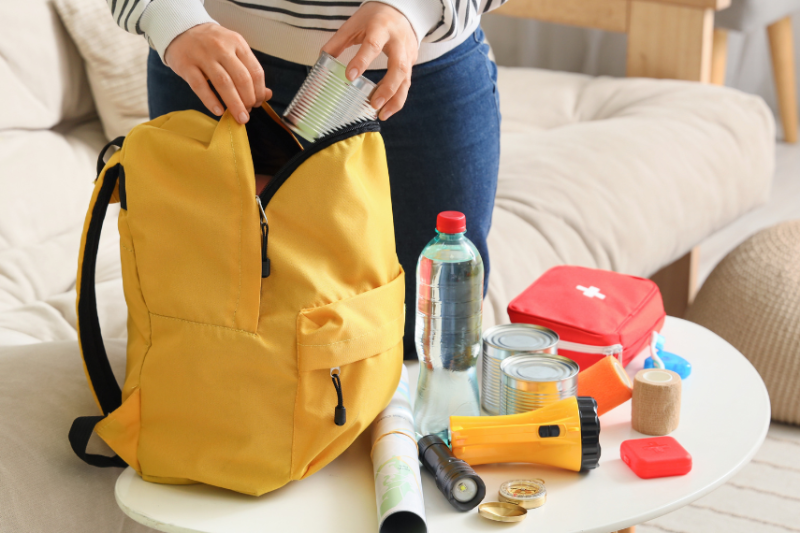
Preparing a home emergency kit can help make things easier if the unexpected happens.
From power cuts to floods, here are the tools you need to keep you and your family safe in a winter emergency.
What’s a winter home emergency?
A winter home emergency could be anything that unexpectedly makes your home unsafe or stops essential services from working. This could include things like:
- Burst or frozen pipes – extremely cold weather can cause water in your pipes to freeze, expand and eventually burst. This could lead to flooding or disrupt your water supply.
- Boiler breakdown – if your boiler stops working, you could be left without heating and hot water during the coldest months of the year. This can make your home uncomfortable or even unsafe to live in.
- Winter storms – strong winds, heavy rain, snow and ice can cause serious damage to your home. Heavy rainfall can also lead to flooding, especially if you live in a high-risk area.
- Power cuts – severe winter weather can sometimes disrupt electricity supplies. Without power, you might not be able to use your heating, cook, charge your phone or access the internet.
- Roof damage from snow and ice – heavy snowfall and ice can put extra strain on your roof. This can lead to broken tiles, leaks, water damage and sometimes structural issues.
- Blocked drains and gutters – things like ice, snow, leaves, and debris can block drains and gutters over the winter. This can stop water from draining properly and lead to overflowing gutters and water damage.
Check out our storm hub for handy tips on how to prepare for severe weather.
What should I pack in my home emergency kit?
What you should pack in your emergency kit will depend on where you are and who you live with.
You’ll need to think about things like if your house is a flood risk, you have children, or someone you live with has a health issue.
Here are some basics you can pack:
Water
Water is one of the most important things you’ll need to pack, just in case something shuts off your supply.
Pack at least three days' supply of bottled water to be safe – the NHS recommends you drink at least 6-8 cups of water per day.
But it’s good to keep more for things like cooking and keeping yourself clean. And don’t forget any extra if you need to make up baby formula or keep your pets hydrated.
Non-perishable food
Set aside enough long-lasting food for a few days, like tinned meat or vegetables and dry pasta – just in case you can’t get to a shop easily.
First aid and medication
Make a first aid kit with necessities like:
- plasters and bandages
- antiseptic spray
- hand sanitiser
- wet wipes
- gloves
- face masks
- paracetamol and ibuprofen
- Calpol (if you have young children)
Don’t forget to also keep any prescription medication you take close by in case of an emergency.
Torches and candles
Pack a couple of battery-powered or wind-up torches in case your power goes out, along with some spare batteries.
You can use candles for light too, just be sure to only keep them lit when you’re around – and don’t forget the matches.
Important documents and cash
Make copies of key documents like your ID, emergency phone numbers and insurance policies and store them in a sealed waterproof pack.
You might want to set aside some cash too. If there's a power cut, you might not be able to access online banking or withdraw money from a cash machine.
Just make sure you keep any cash hidden in a safe place inside your home.
Handy tools
It’s a good idea to have a simple supply of tools ready, like:
- pliers and a wrench (if you need to turn off your gas or water)
- duct tape for emergency repairs
- kitchen scissors and a tin opener
- portable chargers
Warm layers
Just in case you need to leave your home on short notice, pack some spare coats and blankets to make sure you stay comfortable and warm.
Baby supplies
Check you’ve got all the baby essentials you’ll need, including:
- breast milk bags or containers
- formula and a measuring cup
- milk bottles
- nappies and wipes
- baby lotion
- extra clothes and blankets
- bottled water for sterilising or sterilising solution
Pet supplies
If you’ve got a furry friend at home – store away some spare food, water and blankets so you can keep them warm and healthy.
How often should I check my home emergency kit
Check your emergency kit before the winter starts, even if you’ve not used anything from last year.
That way you can top it up with fresh water bottles, check any expiry dates and make sure nothing’s missing.
The more you check, the less likely you are to be caught out.
Where should I store my home emergency kit?
Store your home emergency kit in a cool, dry space. Make sure it’s easy to get to and everyone in the house knows where it’s kept.
What should I do in an emergency?
Any kind of home emergency can be scary. So, it’s good to have a plan to make sure everyone is prepared and stays calm. Here are some steps that can help:
1. Put your safety first
Make sure you and your family are out of harm’s way by:
- leaving your home straight away if there's still a risk
- calling 999 if someone is seriously hurt or there’s a danger to life
- following any instructions from the emergency services
- making sure children and pets stay away from hazardous areas
If there’s a flood, leave your home if you’re advised to and avoid walking through floodwater. Find out more about how to prepare for a flood.
2. Take steps to prevent further damage
If it’s safe to, you should:
- turn off your electricity, gas or water supply if they're affected
- move your valuable items away from any damaged areas
And remember never to touch electrical equipment if it's wet or damaged.
3. Document any damage
Before you clean anything up:
- take photos or videos of the damage
- make a list of what’s been affected
- keep any receipts for emergency repairs or replacement essentials
4. Contact your insurer
Let your insurer know as soon as you can if your home has been damaged. Explain what happened and make sure you follow their guidance before arranging any permanent repairs.
If your home is insured with us and you want to claim on Home Emergency cover, please let us know within four days of the emergency. You can call our 24/7 emergency helpline on 0345 609 4375.
For all other home insurance claims, get in touch with us as soon as possible so we can help.
5. Make a claim if you need to
You can make a claim when you’re ready, but it might help to do this as soon as you can after the incident.
Before starting a claim, check your home insurance policy documents for what’s covered, your policy limits and any exclusions. You’ll then need to send any evidence like photos or videos to help support your claim.
If you want an extra safety net, you can add Home Emergency cover to your policy. It covers you for urgent issues like plumbing, heating and electrical failures.
Just remember – cover limits and exclusions always apply, so check your policy carefully to make sure it covers what you need.
Find out more about how to make a home insurance claim in our guide.