
When winter's on its way, there are a few things to tick off so your house is ready for the cold. This includes preparing your central heating system.
We'll take you through the steps to check your central heating and make sure it's set up for the winter months.
What is central heating maintenance?
Winter's usually the time you use your heating system the most because of low temperatures. This puts more stress on your central heating, which can lead to problems with it if it's not been looked at properly.
Getting your heating system ready for winter can help you avoid expensive problems. It's a good idea to check it's in good condition before the colder weather arrives.
What’s the difference between gas and electric boilers?
Gas and electric boilers are similar, but they’re powered differently.
They both use pressure to send hot water or steam around the home. They connect to your radiators, water supply or both.
Gas boilers are still the most popular choice in the UK. They’re cheaper to run and spread heat through the home faster.
Electric boilers are used more in new builds and smaller properties like flats. This is because they’re smaller than gas boilers and easier to install.
They also use fewer moving parts than gas boilers, so they don’t need as much maintenance.
Preparing your boiler for winter
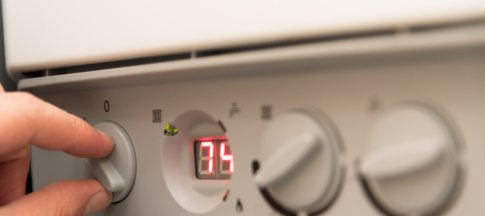
A lot of UK homes rely on boilers for heating. If you do, here are a few checks to make to prepare your gas or electric boiler before winter comes around.
Follow these steps to prepare your gas or electric boiler.
Book in a service
You should get your boiler serviced every year, especially before the winter weather rolls in. Your gas provider might offer discounted boiler servicing, so check with them before booking with someone else.
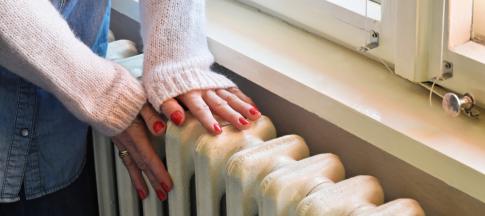
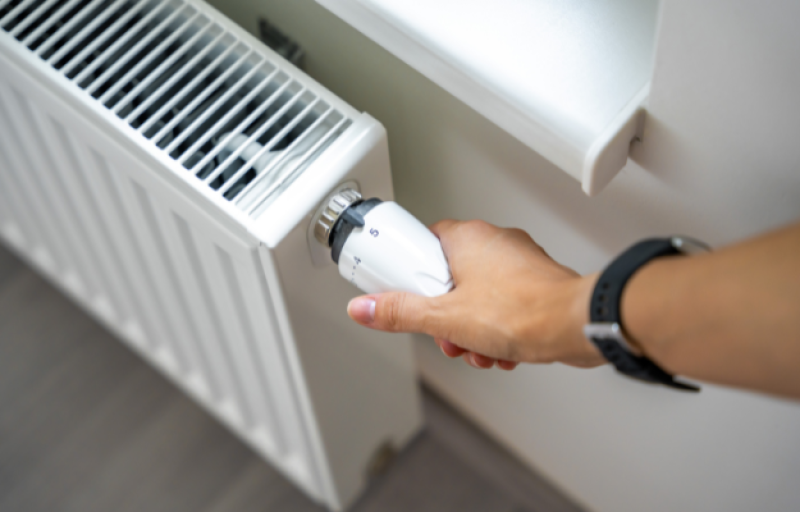
Bleed your radiators
Bleeding your radiators helps get rid of trapped air, which stops your central heating from working properly.
We’ve got a handy guide on bleeding your radiators if you’re new to it.
Insulate your pipes
Cold spells of weather can cause pipes to freeze and burst. So, insulating them helps keep the cold out. If you don’t want to insulate all your pipes, focus on any outside your home, as they’ll be most exposed to the cold.
Types of pipe insulation
Foam insulation is a popular choice for insulating pipes because it’s quick and easy to fit. But there are other options out there, including fibreglass and mineral wool.
The type of insulation you use will depend on the pipes you’re insulating and whether they’re inside or outside your home.
If your pipes are hard to reach, it’s best to call a professional. They’ll be able to insulate them safely and advise you on the most suitable type of insulation for your home.
Preparing your electric radiators
Newer homes often use electric-only radiators. If your radiators run on electricity, follow these steps to get your heating ready for winter.
Heads up, your electric radiators won’t need bleeding as they don’t use water.
Clean electric radiators
If you’ve ever noticed a burning smell when turning your electric radiators on after a while, it’s usually dust that’s built up over time.
To help lower the risk of fire, dust your electric radiators with a duster regularly and keep them clean.
Check the cords
Electrical issues can leave you without heating, so make sure everything’s connected properly and no cords are broken or frayed.
It also helps keep you safe, as frayed wires can lead to sparks and fires.
Read our electrical home safety guide for more info.
What if I have oil central heating?
Though it’s less common, some houses are heated by oil-fired central heating systems.
If you’d like to know more, we’ve put together a handy guide on oil central heating.
Testing your carbon monoxide alarms
Carbon monoxide is toxic. It doesn’t smell, so it can spread around the home quickly without you knowing it. That’s why it’s so important to check your carbon monoxide alarm works properly.
Follow these steps to test it:
Test it regularly
Test your alarm by holding the test button and waiting for the siren to sound. If there’s no sound, it needs new batteries or needs replacing.
Place it properly
Keep the alarm away from the boiler. Putting it right next to it can cause false readings and damage the sensor, making the alarm less effective.
It’s best to keep it in a nearby room instead.
Listen out for beeps
If your carbon monoxide alarm is beeping every few minutes, that usually means it needs new batteries. Do this straight away so it’s back in tip-top condition.
If you add new batteries but it’s still beeping, that probably means the alarm has expired and you need to get a new one.
Check the alarm’s expiry date to make sure it’s still running properly.