
Thinking about investing in solar panels? Our handy guide includes everything you need to know about home insurance and solar panels, so you understand exactly what you’re covered for.
Are solar panels covered by home insurance?
Yes, your home insurance should cover solar panels.
Just so you know:
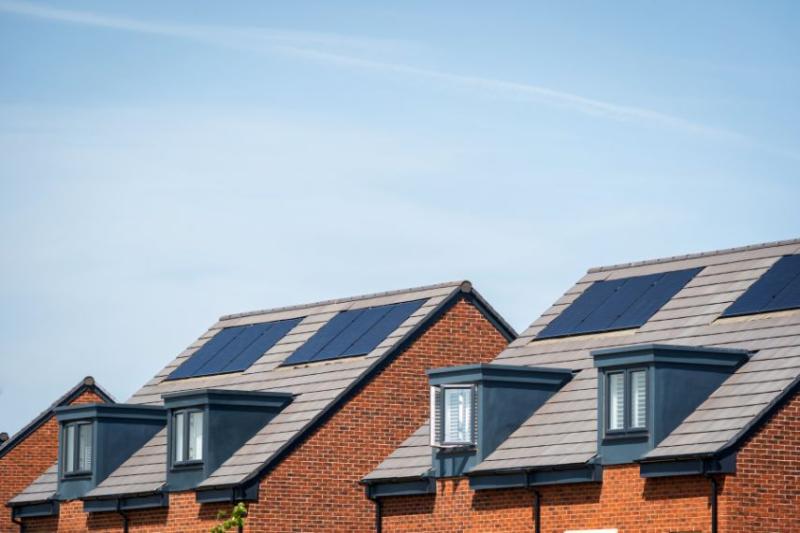
- If you have permanent solar panels that are mounted to your roof, they’ll come under the buildings insurance part of your policy. That’s because they’re permanent fixtures.
- If you have freestanding plug-in solar panels, they’ll come under contents insurance instead.
If you’re not sure what you’re covered for, read your policy book or check with your insurer to find out.
How do solar panels affect home insurance?
Lots of insurers, including us, cover solar panels as standard. But it’s still important to let us know if you’re getting permanent ones installed.
That’s because it could affect the value and rebuild cost of your home. If that happens, there’s a chance the cost of your insurance could go up too.
Make sure you have enough cover if something goes wrong, and if it’ll be worth it if you need to make a claim.
What does my home insurance cover my solar panels for?
Your home insurance should cover your solar panels if they’re:
- in a fire
- stolen or vandalised
- damaged accidentally (and you have Accidental Damage cover on your policy)
Like with all insurance policies, there are some limits and exclusions. Check your policy book to know exactly what you are and aren’t covered for.
Are all solar panel types covered?
Generally, home insurance will cover all the main types of solar panel. That includes:
Solar roof tiles
Solar roof tiles are designed to look like normal roof tiles, so they can blend in. They could be a good choice if you want a neater, more discreet look.
Photovoltaic monocrystalline panels
These are powerful solar panels that are made from one solid piece of material.
They work well even when it’s not sunny – so it’s a good option if you want more energy from less space.
Photovoltaic polycrystalline panels
These are made from lots of small pieces of material joined together.
They’re a little less powerful – but that does mean they’re usually cheaper.
Hybrid panels with heat exchanges
These panels are designed to do two jobs at once. They make electricity, but they also use the leftover heat to warm your water or home.
Freestanding plug-in solar panels
All of the options above are permanently fitted panels. But these are a new type of solar panel that plug into your standard home sockets.
You don’t need an electrician or specialist to install them. You just need to plug them in, then pop them on a sunny balcony, terrace or other outdoor space.
Plug-in solar panels and safety
Plug-in solar panels are a great affordable option, but there are some important safety tips to remember before you use them:
- Only buy them from well-known high street retailers – avoid any imported kits that haven’t been certified for use in the UK
- Check whether you need permission from your landlord, freeholder or local planning authority before installing them
- Get an electrician to check your home’s electrical system to make sure it’s right for a plug-in solar panel system
- Don’t connect them through extension leads or multi-way adaptors, as these could overheat if they’re overloaded
- Make sure you follow the manufacturer’s installation instructions and that they’re securely placed
- Check the panels, cables and connectors regularly for any signs of damage or wear
Should I tell my home insurer if I'm getting solar panels?
It's important you let your home insurer know if you're planning to install permanent solar panels.
They’ll let you know if they’re covered, if you need to do anything else, and then update your policy documents to show the change.
But don't worry, you won't need to let them know if you're planning to get plug-in solar panels.
Will solar panels add value to my home?
Often, yes, permanent solar panels can add value to your home. But it'll also depend on the quality of the solar panels and your home’s overall energy performance.
You can also get some financial help from the government to install solar panels or other energy-efficient home improvements. It’s part of their scheme to help reduce people’s carbon footprints and energy bills.
Check out our guide on some other sustainable home switches you can make.