Home sustainability has become more popular as concern for the environment grows.
Whether it's switching out a few bulbs or going all out with solar panels, there are lots of ways to make your home more energy efficient and potentially reduce your energy use.
Let's take a look at some of the changes you can make at home.
How do I heat my home efficiently?
When the winter weather rolls in, you’ll probably want to turn your heating on. But there are ways to stay toasty without wasting energy.
Follow our tips for heating your home efficiently:
Don't heat empty rooms
While it's nice to have a warm house, only heating the rooms you’re using can save you energy and reduce bills.
Only use the heating when you're home
It’s nice to come back to a warm home, but leaving the heating on when you’re not there can use more energy than you need.
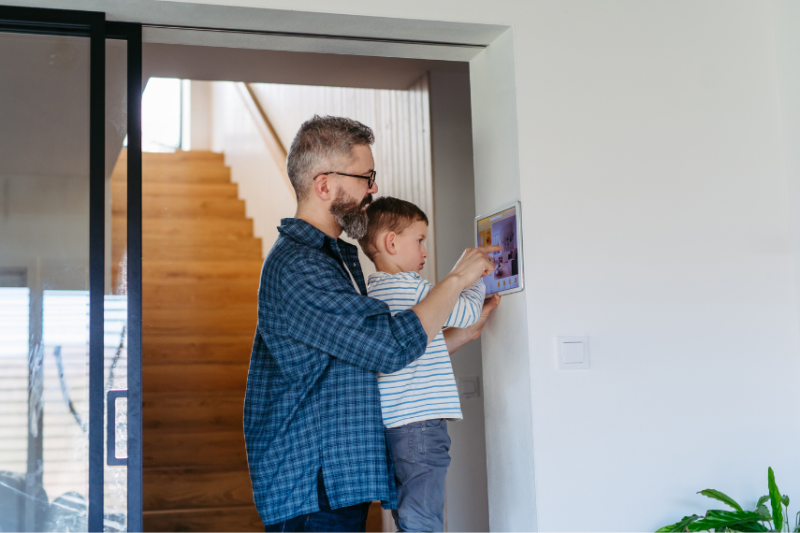
Try setting your boiler timer to come on shortly before you get home. You can do the same with a smart thermostat.
Bleed your radiators
Bleeding your radiators every few months can help them work properly and heat your home more efficiently.
Our guide to bleeding radiators will show you how to do it.
Draught-proof your windows and doors
Draught excluders help stop cold air getting through gaps and windows. It’s also worth checking the sealant around your windows and doors for any cracks or gaps that could be letting cold air in.
How do I light my home efficiently?
We use our lights all the time, especially as the darker mornings and evenings of winter set in.
To keep your home well-lit while using less energy, try these simple tips.
Switch your lightbulbs
Switching to smart LED bulbs can help you use less energy.
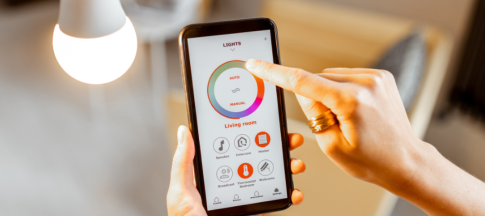
With smart bulbs, you can turn your lights on and off from your phone, adjust brightness, colour and set timers.
They're also fairly affordable to buy and last a long time. Before buying, check the wattage of the bulb and whether you need a screw-top or bayonet fitting.
Keep lights on a timer
It's easy to forget to turn lights off, so scheduling your lights to turn off can be a simple way to save energy.
How to do your laundry sustainably
Laundry is an everyday task that can use up a lot of energy and water. Here are some practical tips to help you use less energy when washing and drying your clothes.
Use eco mode
Most modern washing machines have an eco-mode setting that washes clothes at a lower temperature. It can clean clothes just as well as a standard wash.
Hang things to dry
Tumble dryers dry clothes quickly, but they use a lot of energy.
If you have space at home, dry your clothes on a clothes horse or a washing line outside instead. This can help you use less energy at home.
Only put a load on when you need to
Your washing machine uses a lot of energy and water each time you use it. Where you can, wait until you have a full load before you put a wash on. This helps you get more from each wash.
Other energy-saving tips
If you’re looking for more ways to use less energy at home, think about:
- showering instead of bathing to save water
- only using the dishwasher when it’s full
Insulating your home
Insulation can help keep heat inside your home and help it stay warm for longer.
If your home takes a long time to warm up or loses heat quickly, you might want to have your insulation checked by a professional.
If your home has little or no insulation, it could help it improve how well your home keeps heat in. It could also help improve your home's Energy Performance Certificate (EPC) rating, which can be handy when you want to sell in the future.
What kind of insulation should I use?
This depends on the kind of home you have and your budget.
Some common options to insulate your home include:
- Cavity wall insulation – often an affordable option but it’s only suitable for homes with cavity walls
- Loft insulation – a popular and budget-friendly option that can be easy to install
- Solid wall insulation – more expensive and involves adding insulation to the inside or outside of external walls
- Spray foam insulation – can be easier to install but can affect future mortgage applications if it’s not done properly
- Sheep’s wool insulation – a natural insulation material that can help reduce heat loss
Insulating your home on your own can be dangerous if you don’t have the right experience. Call a professional to help if you need to.
Check out our insulation guide for more tips on what kind to use.
We've also got a guide on improving your home's insulation if you just want to boost things a bit.
Should I get solar panels?
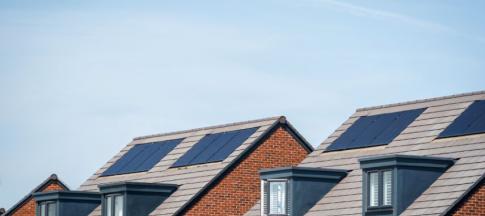
Solar panels come with a set of pros and cons, which are important to know about before you invest in them.
The pros include:
- Lower energy bills – generating your own energy means you’re paying less to your energy provider
- Earnings from excess energy – you can earn money by giving any excess solar energy back to the National Grid
- Low maintenance – solar panels don’t need lots of upkeep through the years
- Improves ETC ratings – solar panels can boost your home’s EPC rating, which can help when it’s time to sell
You can find your home's EPC rating quickly and easily using the government website.
The cons include:
- High up-front costs – solar panels are very expensive to buy and install, and it can take years to earn back what you spent initially through energy savings.
- Less useful in winter – Through the darker and greyer winter months, solar panels are less effective because there's less sunlight to absorb.
- Less sun in the UK – the UK gets sparse sun around the year, so it takes longer for you to earn back what you initially spent on your solar panels.
- Permissions – some areas and properties require special permission for you to install solar panels, like listed buildings, flats and conservation spots.