Accidents can happen to anyone at any time, especially when you’re on holiday or travelling abroad.
But what are some of the most common holiday accidents, and how can you try and avoid them?
We explain how to stay safe while you’re on holiday and what to do if you have an accident when you’re away from home.
What are the most common holiday accidents and injuries?
Some of the most common holiday accidents include:
- slips, trips and falls
- food poisoning
- sunburn and heat-related injuries
- injuries from activities
- back injuries
How to protect yourself from slips, trips and falls while you’re travelling
Even if you try to follow travel safety advice while you’re on holiday, sometimes slips, trips and falls are unavoidable.
Our data from July 2025 to March 2026 shows that almost a third of our highest-value claims for medical assistance were caused by slips and trips.
But what are some of the best ways to stay on your feet while you’re out and about?
Wear the right shoes
Wherever you are, make sure you’re wearing shoes that suit your surroundings.
For wet areas, like swimming pools or spas, choose a shoe that has a good grip on the sole.
On rocky or uneven ground, trade your flip flops or sandals for some walking boots or sturdy trainers.
Listen to safety advice and stay alert
Sometimes, when you’re visiting a landmark or doing an activity, you might be given certain health and safety rules to follow.
Advice like this is always there for a reason, so do your best to listen to it. If you don’t follow safety advice, we might decline any claims.
If you’re ever unsure of something, or feel like the safety advice wasn’t thorough enough, don’t be afraid to ask questions or say so. It’s better to be safe than sorry!
Keep your hands free and use handrails
Try to avoid carrying bulky items like water bottles, your phone or a camera while you’re navigating unfamiliar areas or terrain.
By keeping your hands free, you’ll be able to use any handrails that are there to keep you safe and supported on uneven or sloped surfaces.
Keep your accommodation safe
When you’re spending a week or so at a holiday accommodation, it’s easy to let things get a little messy.
But a cluttered room can easily cause a slip or trip, especially when it’s dark or you’re in a rush.
Try to keep things neat and tidy to avoid injuring yourself. Just spending five minutes de-cluttering a day can make all the difference!
Avoid activities when under the influence
If you’ve been drinking alcohol, you should avoid doing any activities like water sports, cycling, hiking, and so on.
Alcohol affects your awareness and reaction times, making a fall or an accident much more likely.
Don’t forget, we won’t cover you if you make a travel insurance claim for something that happened while you were under the influence of alcohol.
How to prevent food poisoning while travelling abroad

The last thing you want to be dealing with on your holiday is food poisoning. Here are our top tips on how to avoid it while you’re away.
Wash your hands
Make sure to wash your hands before you eat to get rid of any potentially harmful bacteria. An easy way to do this is to always keep a small bottle of hand sanitiser on you while you’re out and about.
Choose hot food, if you can
Hotter temperatures kill bacteria that can make you ill, so try to avoid any raw foods or dishes that haven’t been cooked properly.
Steaming hot dishes can be a good sign that the food is fresh and bacteria-free.
Avoid ice cubes and tap water
Try to stick to drinking bottled water and avoid ice that’s come from the tap – especially if the tap water isn’t safe to drink where you’re visiting.
Choose busy vendors
Busier vendors usually mean the food is being prepared and sold much faster, giving the ingredients less time to sit around and become contaminated.
How to avoid sunburn and heat-related injuries abroad
You should:
- regularly apply sun cream, especially if you’ll be out and about for long periods
- wear loose, breathable clothing that helps protect you from the sun and stay cool
- try to stay in the shade when the sun is at its peak
How to stay safe during outdoor activities
Check the weather forecast
Depending on where you’re going and what you’re doing, checking the weather forecast means you can plan ahead and pack any clothes or essentials you might need.
Let people know where you’re going and what you’re doing
Sharing your plans with someone you know and trust before you leave could help them find you in an emergency.
Wear the right safety gear and pack plenty of supplies
Whatever your level of expertise or experience, always make sure to wear all the right safety gear you’ll need to stay safe.
Packing more food, water and other supplies than you might ordinarily need can also come in handy if your activity takes longer than expected.
How to prevent back injuries while carrying your luggage
Most back injuries come from lifting and moving heavy luggage. That’s why it’s good to try and:
- use safe lifting techniques if you have to lift and move any heavy items
- stick to weight limits, so you aren’t putting any unnecessary strain on your back
- push or wheel your luggage whenever you can
Top tips on how to stay safe when you’re exploring unfamiliar destinations
Save digital copies of your IDs and important documents
Having digital copies of your passport, IDs, and other important documents to hand can save you a lot of trouble – especially if you’ve lost the paper copies!
Use official transport whenever possible
Tried and trusted services like registered taxis, public transport or rental apps are safer, more reliable travel options.
Make sure your devices are charged
Try to make sure your phone’s charged to at least 80% before you leave for the day, and bring a portable charger so it doesn’t fall below 20%.
That way, you can always quickly and easily access any information you need.
Download maps so you can use them offline
Phone signal and data can be hard to come by in remote locations. That’s why it’s always worth downloading any maps you need so you can view them offline.
Keep your valuables safe and secure
Whether you’re storing them in a bag or somewhere in your accommodation, make sure your valuables are securely packed away when you’re travelling somewhere new.
If a safety deposit box isn’t available where you’re staying, you should always try to store them somewhere safe that’s hidden from view.
Don’t forget, we also won’t cover any valuables that are left in a car.
How to prepare for an injury or medical emergency when you’re abroad
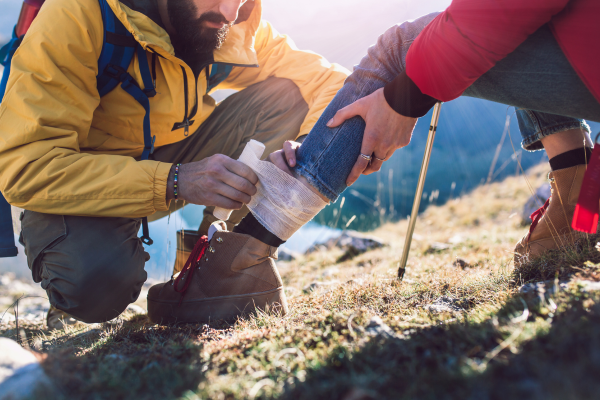
Bring a basic first-aid kit
Trying to find important medication in an emergency can be stressful, especially if there’s a language barrier.
So don’t forget to pack any essential medication, or a basic first-aid kit, so they’re readily available if you need them.
Note down all your emergency contacts
Make a list of your emergency contacts before you head off. It’ll make it easier for medical staff, or anyone from an embassy or a local authority to get in touch with your friends or family in an emergency!
Protect yourself with travel insurance
Whatever your needs, we don’t want them to get in the way of your travel plans. That’s why it’s a good idea to protect yourself from any unexpected costs with travel insurance.
If you’re over 80 years old, check out what our travel insurance covers.
Or, if you’re thinking of going on an adventure, you’ll need adventurous sports cover for any activities you’ve planned. Head to our adventurous sports page to see what we can offer, as well as any limits or exclusions that might apply.
If you’re going on a cruise or plan of doing any winter sports, you’ll need extra cover.