

Buying a used car can be a cost-effective way to get on the road. But the price you pay for the car is only part of the story.
There are other costs to think about too, from fuel to servicing and even paying for it. Understanding these can help you choose a car that suits both your needs and your budget.
We spoke to a car industry expert, Graham Filmer, to get his tips on how you can make the right choice for you.
The main costs of owning a used car
When budgeting for a used car, think about:
- finance or loan repayments, if you’ve chosen to borrow money to buy it
- fuel or charging costs
- insurance
- servicing, MOTs, repairs and maintenance
- vehicle tax
- how much value it’ll lose over time (known as depreciation)
Let’s look at each of these in more detail.
What are the finance costs of owning a car?
Lots of people borrow money from a car finance or loan company to buy a used car. So, it’s important to factor that into the overall cost.
The cost of borrowing depends on a few different things, including:
- the amount you want to borrow
- how long you want to pay it back over
- the interest rate your lender agrees to
- the type of car finance you choose – whether that’s a personal loan, hire purchase (HP) or personal contract purchase (PCP)
When you’re comparing finance options, the APR can help. It stands for Annual Percentage Rate and shows the yearly cost of borrowing. Find out more about APR and how it works.
Before making any decision, make sure you look at the overall cost of borrowing, not just the cost of your monthly payments.
Find out more about the car finance options we have on offer here at Admiral.
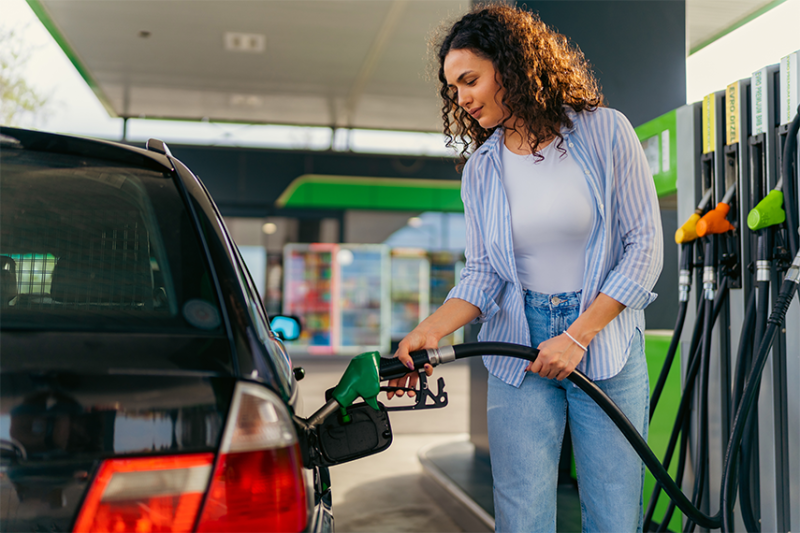
How much do fuel and charging costs add to car ownership?
Fuel is one of the biggest ongoing costs of owning a car. Here are some things to consider, whether you’ve got a petrol, diesel or electric car.
Petrol and diesel running costs
The Department for Transport found in April 2026 that petrol car drivers in the UK spent around £1,122 per year on fuel. While diesel car drivers paid £1,448 per year.
But these prices have surged since then with diesel prices hitting record levels of £2 a litre.
Diesel engines are generally more fuel efficient than petrol ones – but diesel fuel costs significantly more per litre.
Overall, the cost can really depend on:
- your mileage
- your car’s efficiency
- where you fill up
Graham recommends working out the yearly cost of fuel for the car you’d like to buy this way:
- Divide your estimated annual mileage by your car’s miles per gallon (MPG).
- Multiply that by 4.546 to convert the gallons into litres.
- Multiply that figure by the fuel price per litre.
- Then divide that number by 100 to find the annual cost of fuelling your car.
Find out more about how to save fuel and money.
EV charging costs
Usually, the cost per mile of running an EV could be around a quarter of what it takes to run a traditional car.
To get the full benefit of these lower running costs, you'll need a charger at home or at work. Depending on the electricity provider, charging can cost as little as 7p per kWh (kilowatt-hour).
If you rely on public chargers instead, you could lose out on those savings. They can be a lot pricier, especially for fast charging.
Graham says: “If you’re thinking of buying an EV to reduce your running costs, just remember to factor in the cost of installing a home charger.”
How much does car insurance cost?
Car insurance is another cost to consider. And when it comes to new versus used, there’s no one size fits all.
Everyone’s price is completely unique and depends on a huge range of factors, including:
- the car you drive
- your age and driving experience
- any past claims and motoring offences
- where you live
Find out more about what factors affect the price of car insurance.
Ready to cover your car? Find out more about Admiral Car Insurance and what we offer.
What servicing, maintenance and repair costs should I expect?
It can be hard to estimate the cost of keeping a used car in good condition. But trying to get a rough idea can help you decide which one’s right for you in the long run.
Graham says: “Buy wisely, and a used car is likely to have plenty of miles left in it. The average age of a car on the UK’s roads is around 10 years old. While the lifespan of a well-maintained car is at least 15 years old.”
Servicing
Regular servicing means you can catch problems before they become more serious and expensive. The cost of servicing will depend on the:
- make, model and age of your vehicle
- type of service you want
- garage you choose
Repairs and maintenance
Any car can need repairs from time to time. But older cars might need a little more TLC as parts can wear out over time.
You might have to pay for repairs to:
- tyres
- brakes
- batteries
- clutch
- exhaust
- suspension components
Graham suggests, “Setting aside a small amount each month to put into a ‘rainy day’ fund can make unexpected bills easier to manage.”
Want to find out more about keeping your car in good nick? Head over to our car maintenance hub.
How much vehicle tax will I need to pay?
Cars and vans on UK roads have to pay Vehicle Excise Duty (VED), which is usually known as road or car tax.
The amount you pay depends on:
- when the vehicle was first registered
- its fuel type and CO2 emissions
Check out our guide on car tax for more info.
When you’re buying a used car, remember that vehicle tax isn’t transferred from the previous owner. You’ll need to make sure it’s taxed before driving it away.
If you’re buying a used car from a dealership rather than an individual seller, they can tax it for you and pass the cost on to you.
How will depreciation affect the cost of my car?
Depreciation is when a car loses its value over time. In a car’s first year, its value can fall by 15 to 35%, or sometimes more. After that, the average is around 10 to 15% per year.
There are lots of things that influence how fast a car’s value goes down, including:
how popular the make and model is with buyers
- fuel type
- mileage
- service history
- the number of previous owners
- running costs
- the condition of the car
This isn’t a cost you pay upfront, but it affects how much your car might be worth when it’s time to sell or trade it in.
The good news is if you buy a used car, it'll have already been through its biggest drop in value. That means you don't take the same financial hit that new car buyers do.
Graham says: “Depreciation is one of the things that makes buying used cars so appealing. A three-year-old car can cost significantly less than it did new. Just don’t forget it’ll continue to lose value over time.”
EV depreciation
Electric vehicles (EVs) are a good example of how market trends can affect depreciation too.
Early EVs often lost their value much faster than petrol or diesel cars. This was thanks to things like the rapidly evolving technology, limited demand and some uncertainty in the market.
For example, the average EV depreciation for a three-year-old EV was 38 to 42% in November 2025. That’s compared to 35 to 40% for petrol vehicles.
But as the market has changed and demand for used EVs has gone up, things have changed. Now, EVs don’t lose their value as quickly as they did even a year ago.
Looking at all of these costs can help you make the right choice that won’t break the bank.
Like Graham says, “A little research before you buy can make a big difference later on. The goal is finding a car that works for your lifestyle and budget.”


