
House fires are a scary and stressful thing to go through, but we’ve got your back.
Here’s how you can keep your home safe from fires. Plus, some important advice on what to do if a fire starts, and how to get back on track afterwards.
What causes a house fire?
Lots of different things can start a house fire, but some of the main causes include:
- faulty electrics
- stoves and ovens
- candles and other open flames
- cigarettes
How to avoid fires in the home
Some small steps can help avoid fires in your home and keep you safe.
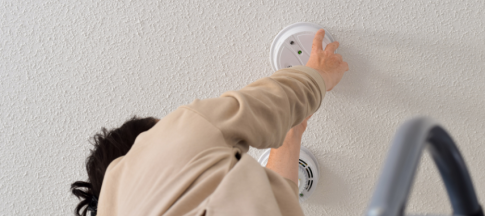
Check your smoke alarms
Your smoke alarms are there to warn you when there’s a fire. They're especially useful at night or when no one's at home.
It's super important to regularly check your smoke alarms are working. You can do this by pressing and holding the test button until the alarm goes off.
If it doesn't, it either needs new batteries or to be replaced.
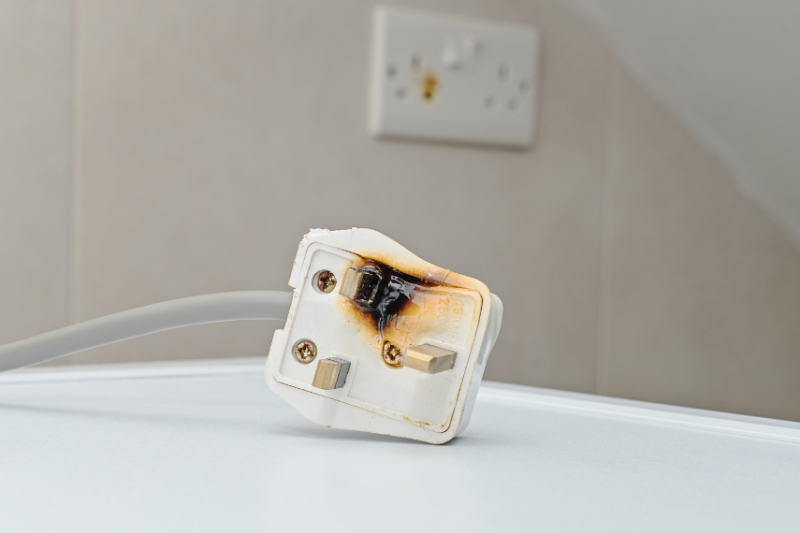
Check your electrics
Faulty electrics can easily lead to fires, often from wires sparking.
Watch out for:
- sparks
- smoke
- a burning smell
If you notice any of these signs, switch off the appliance and unplug it straight away. Make sure you don't use it again until a professional has fixed it.
Check out our helpful guide on electrical safety in the home for more info.
Be aware of your electric heaters
Electric heaters are useful, but they can also cause house fires.
Make sure you keep them well away from:
- furniture
- bedding
- curtains
- clothes
Never leave them on while you're asleep or out of the house.
What about the wiring in your home?
Electrical safety is not just about appliances and extension leads. The wiring behind your walls can wear out over time, especially in older homes.
If you've noticed flickering lights, tripping circuits or damaged sockets, or you've bought an older home, it's worth getting your electrics checked.
An Electrical Installation Condition Report (EICR) can help find potential issues and check that your home's electrical system is safe.
Keep an eye on open flames
Only light candles when you can keep an eye on them. Always blow them out if you're leaving the room or heading out.
Plus, keep candles away from the edge of surfaces so they're not easy to tip over - especially if you have children or pets!
Electric wax melters are a safer way to fill the room with a nice scent without the open flame.
Be alert in the kitchen
It's easy to get distracted while you’re cooking, but you should always:
- stay in the kitchen when any cooking equipment is on
- keep tea towels and oven gloves away from the hob
- turn pot and pan handles inward on the hob to avoid knocking them over
Once you're done cooking, make sure everything is turned off. If you can, switch things off at the wall too.
Be careful with barbecues
Barbecues can be dangerous if they're not supervised properly.
When using your barbecue, you should:
- keep it on a flat surface away from trees, plants and fences
- never leave it unattended
- keep it away from pets and children
- have a fire extinguisher nearby
For more tips, check out our garden barbecue safety guide.
What to do if a house fire starts
If a fire starts in your home, get everyone outside and call 999.
Here are some things to remember:
- Don't stop for valuables - your safety comes first!
- Feel door handles before opening them. If they're hot, it may mean the fire's spread to that room.
- If you need to break glass to get out, use a heavy object, such as a tool or other sturdy household item.
If you have to use your hand:
- Cover your hand in a cloth or clothing first – make sure you wrap it around multiple times to create a thick layer of protection.
- Break the glass with your hand in a fist so your fingers don’t get caught.
- Throw a towel or blanket over the other side before stepping through.
What to do after a house fire
Dealing with the aftermath of a house fire can be really stressful. To get a handle on things, follow these steps.
Call your insurer
Once the fire's been put out, get in touch with your insurer as soon as you can. Just tell them what's happened and whether you want to claim.
File a police report
If you think the fire was started maliciously, it’s important to tell the police about what happened. This can help support your claim as it's a record of what happened.
Document all the damage
Take photos or videos of any damage to help get your claim processed.
Make sure you:
- only take photos where it’s safe to do so
- take clear and focused photos
- use the flash in darker areas
Arrange accommodation
If your home isn't safe to live in after the fire, you'll likely need to stay somewhere else while the damage is fixed.
You can ask the fire and rescue service for their opinion on whether your house is safe to stay in.
Your insurer might cover temporary accommodation, but it depends on who you're insured with and what level of cover you have. Check with your insurer to see what they cover.
Does Admiral cover fire damage?
Our standard home insurance covers damage caused by fire.
What's covered will depend on the type of cover you have:
- Buildings insurance covers damage to the structure and fittings of your home.
- Contents insurance covers damage to your furniture and other belongings.
If you’ve got combined cover, we’ll cover your home and what’s inside it.
We can also help with temporary accommodation if your home's not safe to live in.
Don't forget that limits and exclusions apply, so check your policy book to see what you're covered for.