
Press Office
Car fire claims surge during UK’s ‘hottest summer’ on record
As the heatwave continues, Admiral warns drivers to take extra care with vehicles in hot weather – and shares crucial advice to prevent car fires
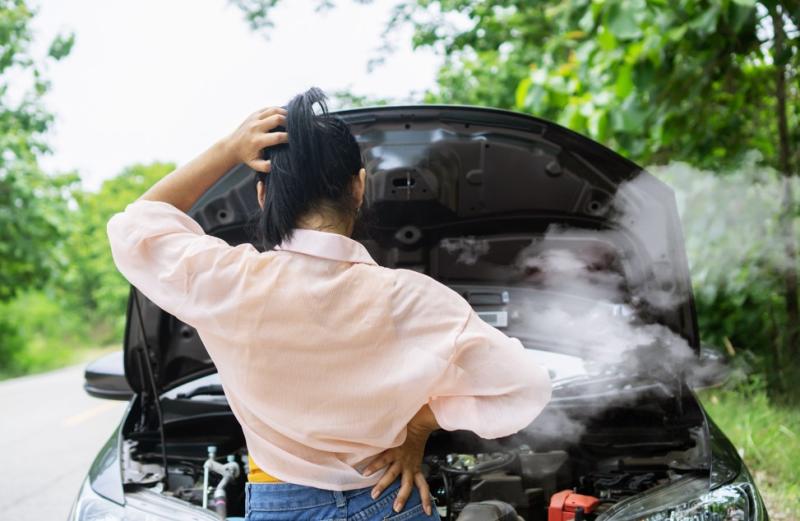
- New data from Admiral Car Insurance reveals electrical and caught-fire incidents spiked in June and July this year
- Admiral saw 40% more vehicle fire claims in July than the 12-month average
- Diesel and petrol vehicles accounted for 94% of vehicle fires claims seen by Admiral in the last year – while EVs accounted for just 3%
- 2026 is set to be the warmest summer on UK record, with July recorded as the driest ever in England and Wales
Carl Wren from Admiral Claims is sharing crucial steps to keep safe and reduce the risk of car fire as the heatwave continues
August 2026: Admiral Car Insurance is warning car owners to take extra precautions with their vehicles this summer – as new claims data reveals a spike in vehicles catching fire in the last two months.
In June and July, the insurer dealt with over 300 claims linked to car electrical fires and vehicles catching fire from an external source such as a nearby vehicle or property on fire. July saw the number of these claims increase by 40% compared with the monthly average, with a significant 29% increase compared with July 2025(1).
The increase coincided with the period of very hot weather, which can place additional strain on vehicle systems and exacerbate existing electrical or mechanical faults. While extreme heat by itself is unlikely to make a properly maintained vehicle catch fire, heatwave temperatures can expose existing mechanical faults and increase the risk of overheating. An overheating engine can ignite leaked oil, fuel, or other flammable fluids if they come into contact with very hot engine components. Electrical faults and damaged wiring can also increase the risk of fire, particularly when combined with high temperatures under the bonnet.
Analysis of Admiral claims recorded over the past two years shows that around three quarters of vehicle fire claims involved electrical faults, with the remainder involving vehicles that caught fire as a result of an external source(2).
Diesel (54%) and petrol (40%) vehicles accounted for most fire claims since July 2025, with EVs and hybrid vehicles accounting for fewer than 6% of all incidents(3).
UK summer 2026 is set to be the warmest ever recorded according to the Met Office, with 37 consecutive ‘heatwave days’ observed across the UK this year and England and Wales seeing the driest months since records began(4). With temperatures likely to stay warmer than normal in the coming weeks(5), it’s unlikely that Brits will feel relief any time soon.
Carl Wren from Admiral Claims explains:
“Hot weather doesn't necessarily mean your car is going to burst into flames, but higher temperatures can place additional strain on vehicle systems and expose existing electrical or mechanical faults that may otherwise have gone unnoticed. While extreme heat alone is unlikely to cause a well-maintained vehicle to catch fire, it can increase the risk of overheating and other issues developing.
“Our claims data suggests that internal combustion engine (ICE) vehicles, particularly older models that might not be well maintained, are at a higher risk.
“While it may not be possible to prevent your vehicle catching fire as a result of an external source, such as another nearby fire, there are steps motorists can take to reduce the risk of a fire originating within their own vehicle.”
Carl advises motorists to:
| Keep your car maintained | Keep your car properly maintained and up to date with servicing. |
| Check for wear and damage | Get wiring, hoses and fuel lines checked for signs of wear or damage and repair any issues promptly. |
| Carry out pre-journey checks | Before setting off, especially on longer journeys, check your tyres, oil and coolant levels. |
| Keep an eye on engine temperature | Monitor your engine temperature during hot weather and act if it starts to rise unusually. |
| Take warning signs seriously | If you notice an unusual smell, warning light, smoke or a change in how your car is performing, have it inspected as soon as it is safe to do so. |
Devon & Somerset Fire & Rescue Service has shared immediate steps to take if your vehicle catches fire:
1. Stay calm and don't panic.
2. Put your hazard lights on.
3. Pull over as soon as possible. Try to choose somewhere safe.
4. Turn your wheels to prevent the car from rolling away, apply your handbrake and turn off the engine.
5. Release the bonnet using the control in the car. Do not touch the bonnet or lift it up.
6. Get everyone away from the vehicle and move to a safe area. If there is a barrier, stand behind it.
7. Make yourself as visible as possible. Use hi-vis clothing and wave your arms to warn oncoming traffic.
8. Dial 999 and ask for fire. Tell the person on the phone where you are and if your vehicle is a danger to others. Using the What3Words app can help us find your specific location.