

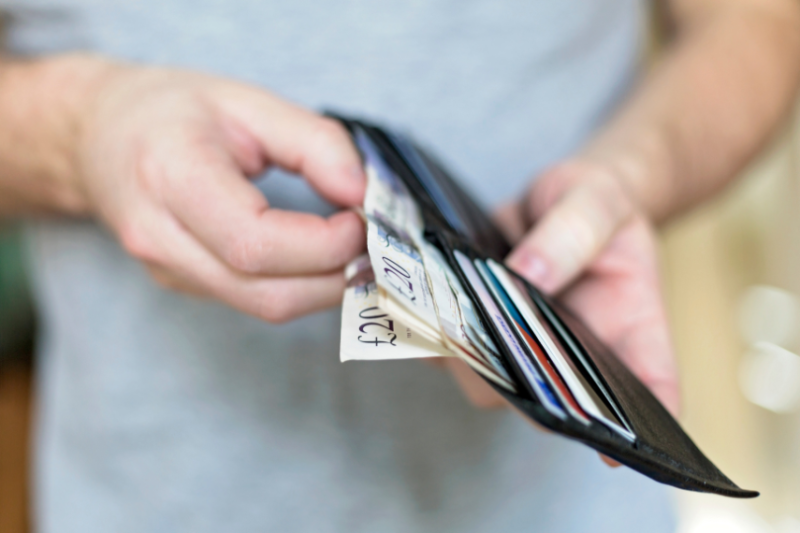
There’s lots of different budgeting tips and tricks out there – and you might be interested to give one a go. It’s important to know how they can be used, as well as the risks involved.
Cash stuffing is one of them, but what does it involve, and is it safe?
Here’s all you need to know about cash-stuffing, why people do it and the pitfalls to watch out for.
What’s cash stuffing?
Cash stuffing, also known as the cash envelope system, is a method of budgeting.
It’s when you take out cash from your bank account and divide it into labelled envelopes for different spending categories.
It’s to help stop you from spending the cash you’ve set aside so you can save more money.
Digital cash stuffing
You no longer have to keep cash aside in envelopes. A lot of banking apps let you set up pots and spending limits.
For example, you might have an ‘entertainment’ pot and a ‘bills’ pot. You can organise money from your current account into these different pots with just a few clicks.
How does cash stuffing work?
Work out your budget
The first step is to work out your budget and outgoings.
Firstly, take a look at how much you're paid each month. Then, make a note of all your usual outgoings.
Some outgoings might be set – for example, your council tax is likely to be the same every time.
But some might vary each month, like how much you spend on groceries or toiletries. Try to work out a rough average.
Decide your categories
Once you’ve got a clear idea of your budget, it’s time to split all your outgoings into categories.
That might be things like:
- food shopping
- petrol
- bills
- entertainment
- subscriptions
Track your spending
Once you’ve set your cash aside for each envelope, you know that’s the only amount you can spend on that category.
What's the point of cash stuffing?
Cash stuffing can seem like a good idea if you want to control your finances. It could mean you have less debt because you’re reducing the credit card interest you have to pay or your overdraft fees.
If you’re a compulsive spender, it could help you limit yourself if you have an exact budget. That means there’s no space for impulsive buys, especially online and on apps.
What are the drawbacks of cash stuffing?
While it might seem like a good budgeting hack, having lots of cash in your home can be risky:
You can’t always use cash: many companies and services don’t accept cash anymore, which could mean you can’t spend it.
- Your money could get lost or stolen: our Household claims data shows the average cost of cash theft claims was £318 in 2024 and £325 in 2025.
- Less credit or debit card protection: you could lose out on the consumer rights you’re entitled to from credit or debit card providers if you use cash.
- No interest: you won’t earn any interest on your money if you don’t keep it in a bank account.
Is cash stuffing effective?
It can be a useful budgeting method for a lot of people, but the main setback these days is that a lot of places don’t accept cash.
For example, you can’t get a Netflix subscription or pay for your car insurance using cash.
That means your spending categories would need to be limited to things you pay with cash, like groceries or leisure activities.
The other setback is the safety risks of keeping a large amount of cash in one place. If it’s stolen or there’s an accident like a fire, you’re in trouble!
That’s why digital cash stuffing is much safer. Check out your online banking app to see if your bank has this service.
Does home insurance cover my cash?
If your cash is lost or stolen, you might want to claim on your contents or home insurance.
You need to check your policy documents to see if the amount of cash you’ve withdrawn is covered by your policy, as it might not be. Remember, policy limits and exclusions apply.
Noel Summerfield, our Head of Household insurance, warns:
“Many insurance policies don’t cover theft of cash from your property unless force or violence was used to enter or leave your home.
While cash is covered in the event of a fire or flood, theft from gardens or outbuildings might not be.
Also, most insurance companies have a limit to the amount of cash that’s covered, and this often varies depending on the different policies they offer.”
Top tip: you should always check your excess before making a claim, as this will affect how much your insurer will cover.
Remember, money kept in your home also covers gift cards or travel tickets. Your insurer might need proof of withdrawal or receipts if you need to make a claim for these.
Looking for more? Check out our guides on how to keep your home safe and secure.