

Becoming a landlord for the first time can feel confusing. Whether you're upsizing, have inherited a house you'd like to rent out or want to buy something brand new, we're here to help.
Here are some things you need to think about if you’re renting out a house for the first time.
Is renting out your home the right choice for you?
There are lots of different things to consider. The first step is to work out if it's right for you.
Do your research
Find out all you can about the rental market in your area, including things like how much similar properties tend to cost.
If you have any friends or relatives who have experience being landlords, chat to them to get their advice.
You can also check out our guide on how to be a good landlord.
Speak to your mortgage company
If you want to rent out a house you already own, speak to your lender to see how things will work.
You'll probably need to switch to a buy-to-let mortgage instead.
Check your finances
Make sure you’re clued up on your finances before you jump into anything. Here are some questions to ask:
- If you’re buying a new property, can you afford two mortgages?
- If you employ an agency to manage the letting, how much of a cut will they take?
- Can you afford emergency repairs and the cost of insurance?
Do you need a letting agency?
Some people use a letting agent to manage the property, while others look after things themselves.
You'll save money if you don't use an agency – but it can be a lot of responsibility to manage it yourself.
A good letting agency will:
- advertise your property
- find potential tenants and show them around
- write up tenancy agreements
- do credit and reference checks, including Right to Rent checks
- regularly deal with tenants, including carrying out property inspections and arranging repairs
This can be especially handy if it's your first time.
Preparing your property for the rental market
Here are some important things to think about before you put your house on the market. If you'd like a full list, check out our checklist of what you need to do before renting your home.
Safety standards and documentation
You'll need to check your home meets some important safety standards. These include:
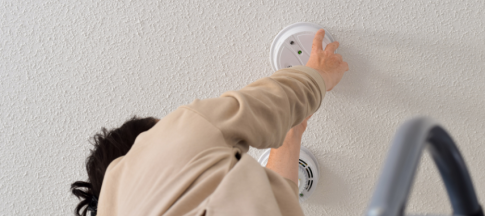
- making sure there’s enough smoke and carbon monoxide alarms
- getting an Energy Performance Certificate (EPC) with a minimum rating of E
- checking any electrical appliances to make sure they’re safe
Make sure you've got records of all these checks and safety certificates.
Legal checks
It's important you check you're actually allowed to rent out the property. If it's a leasehold property, you might not be allowed to sublet it or you might need to get permission from the freeholder.
Check out our article on freehold vs leasehold properties to find out more.
Also, make sure you stay up to date on any government rules or regulations around renting. We've got an article on the recent Renter's Rights Act if you'd like more info.
Decor and presentation
Whether you're renting your home out furnished or unfurnished, it's a good idea to make sure everything is clean and in good shape.
You should:
- deep clean the property – you can get a cleaner in if you’d like
- make sure the walls and floors aren’t damaged
- check any furniture you’re renting out is in good condition
It's useful to keep an up-to-date property inventory and inspection report. This can help if you need to make a claim in the future, as you have a record of the condition of the property and its contents.
Preparing your financials for the rental market
You'll also need to make sure you're all set up and prepared financially.
Buy-to-let mortgage
You'll likely need to get a specific buy-to-let mortgage.
You can either speak with your current lender, or shop around to find a good deal.
Tax duties
You might need to pay tax on the profit you make from being a landlord. To help with any tax returns, make sure you keep a clear record of:
- the rent payments you receive
- letting agent fees
- repairs and maintenance costs
Do I need landlord insurance?
Landlord insurance is there to protect your property and any contents you own inside it.
It's not a legal requirement but it can be really useful. It means you have a safety net if something goes wrong, so you don't need to pay for expensive repairs out of pocket.
Heads up – if you have home insurance with us for the property you're going to rent out, you’ll need to let us know.
We won't be able to offer home insurance anymore, so you'll need to take a look at our landlord cover instead.
If you'd like, you can also buy add-ons like Landlord Legal Expenses and Landlord Emergency cover for extra peace of mind.
Remember, policy limits and exclusions apply, so always check your policy book to be safe.
Do my tenants need insurance?
In most cases, it's up to your tenants to decide if they want renters insurance (also known as tenants insurance).
If you're renting out an unfurnished flat, it can be handy for them. It means their furniture and belongings are protected from loss, damage or theft.
It's worth recommending it to them. But if you'd like, you can also write it into the tenancy agreement they need to have insurance.
Check out some more of our guides around how to maintain a good relationship with your tenants.
Renting out a room in your home
If you don't want to become a full-time landlord, you could choose to just rent out a room in your home.
Check out GOV.UK's guide on renting a room in your home and the rules.
You could also benefit from the government's Rent a Room scheme. It lets you earn up to £7,500 a year without lots of the financial responsibilities that come with renting an entire property.
If you have home insurance with us and take on a lodger, you'll need to let us know.
If you want to rent out your whole home for short periods of time, you'll need Host Insurance instead. This covers you if you’re advertising your home on sites like Airbnb.