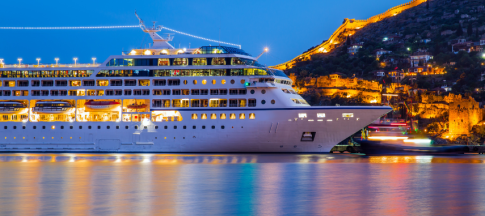

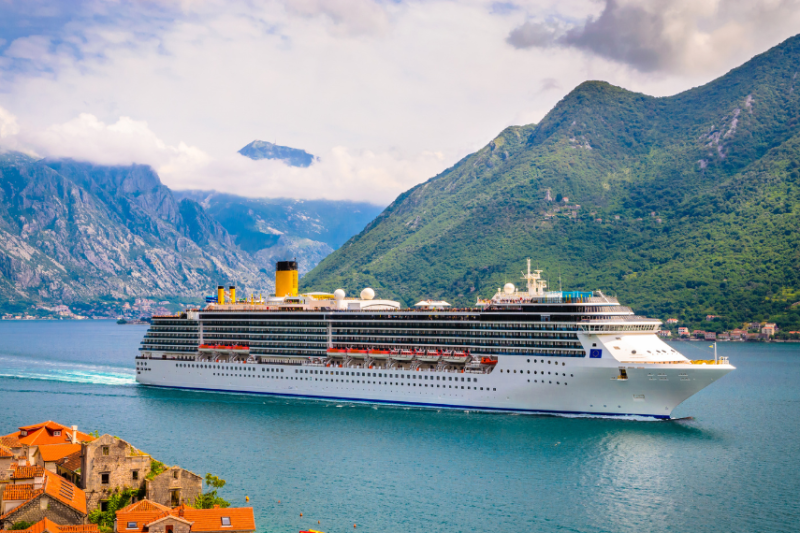
There isn’t just one way to cruise. You can sail the seas, wind through rivers or both! There are two different options – river or a sea cruise. Let’s look at them both, so you can work out what fits your style and budget.
Comparing river and sea cruises
What’s the difference between river and sea cruises? We compare the two for you.
Price
River cruises are usually more expensive than sea cruises per night.
Most of the time, the price depends on where you’re going, how long for and who you’re going with. The kind of cabin you book can also affect how much it costs.
Locations
Sea cruises pretty much travel everywhere. Whether you’re looking to island hop, sail a coastline or cross an entire ocean, there’s bound to be a sea cruise out there for you.
But there are a few places sea cruise ships can’t go to because of their size. Most sea cruise ships are huge, so they can’t fit through narrower waterways – unlike river cruise ships.
If you want to travel through different cities like Venice, Budapest or Vienna, a river cruise is your best bet. A river cruise lets you visit different cities over a few days, rather than exploring the top spots for a few hours.
Trip length
River cruises tend to be shorter than sea cruises. Usually, river cruises through cities run for three to four days. These are great if you fancy a long weekend away and don’t want to be away from home for too long.
Sea cruises offer short and long trips, depending on how long you want to go away for and where you’re going.
Activities
Sea cruise ships often offer more onboard activities because of their size. These ships are designed to entertain passengers while at sea, so you’ll find plenty to do when you’re not on land.
Most sea cruises offer lots of:
- restaurants
- shops
- fitness or skill classes
- children’s activities
...and much more!
You could spend an entire holiday on a sea cruise ship and not run out of things to do.
River cruise ships are more like hotels – they’re somewhere for you to stay while you explore the surroundings. They might have a couple of restaurants, but they don’t have as many onboard activities like sea cruise ships do.
Exploring on land
There’s usually more port stops on river cruises because they’re closer to land – especially if you’re cruising through a city.
You also have a bit more time to explore one place, as a lot of river cruises stop at different ports in one city.
Sometimes, sea cruises go days without a port stop – but it depends on where you are. A Caribbean cruise might have a daily stop, whereas a transatlantic cruise might not stop for a week or two.
Sea cruises often travel further and don’t give you a lot of time to explore each place. You might only get one day to explore one tourist spot.
Cabin space
Unlike hotels, cruise ships are very tight on space. This means that cabins can sometimes be small, there’s less space for your belongings, or to hang what you’ve brought to wear.
You can book a bigger cabin on a sea cruise ship if you want more space, but this will cost more.
On a river cruise ship, the cabins are smaller than what you’d get in a hotel. Sometimes, they’re smaller than sea cruise cabins, because the ships themselves are smaller.
If you want space, it’s worth checking the size of the cabin before you book.
Weather
Because sea cruises are available almost anywhere, you can pick what time of year you’d like to go.
Sea cruises are more popular in warmer areas, like the Canary Islands, Caribbean and southeast Asia. So, you can expect sunshine, beaches and plenty of water activities onboard – remember to pack your swimwear!
River cruises travel more through cities, often in central and eastern Europe. While summers there can be lovely, they’re more for exploring than swimming and soaking up the sun.
If urban trekking, like visiting historical sites or shopping, is more your cup of tea, then a river cruise might be the best option for you.
Family trips
There’s something for the whole family on a sea cruise.
They’re packed full of activities for kids to enjoy. They also have kids' clubs if the parents want some child-free time.
On the other hand, river cruises are great for couples or small groups who want a base but want to explore as much as they can. They’re also great if you want to cruise solo.
Combined river and sea cruises
Want the best of both worlds? You might prefer a river and sea cruise.
These are cruises that mix both – they usually sail through multiple countries, often in Europe. Also, they mostly last longer than a standard river cruise because they travel further.
Combined cruises are harder to come by, but companies like Viking River Cruises offer these kinds of trips.
Do I need travel insurance for a cruise?
Travel insurance is important for all kinds of trips, whether you’re on land or hitting the water.
It covers things like emergency medical costs, lost or stolen belongings and if you’re trip’s cancelled for certain reasons.
But if you’re going on a sea cruise, you need to add Cruise cover to your travel insurance, as it’s an add-on that’s not included automatically.
If you go on a cruise without Cruise cover, you won’t be able to make a claim if something goes wrong. This is the case for anything that happens either on the ship or on land (lost belongings, medical emergencies and so on).
Cruise cover can help with certain cruise‑specific problems, like missing ports, being confined to your cabin, or missing activities you’ve paid for.
But if you’re going on a river cruise, you don’t have to add cruise cover to your Admiral policy. Our standard travel insurance can cover you for all the general things.
But if you want to be covered for what happens on the sea cruise itself too, you’ll need cruise cover.
Don’t forget that limits and exclusions always apply here, so make sure you check your policy book.
What if I’m taking a few cruises in a year?
If you’re planning to go on a few holidays this year, our Annual Multi-Trip cover might be best for you. It covers you for as many trips as you like, up to 31 days each.
If you’ve just booked one trip this year, then Single Trip cover might be best.
You’ll still need to add cruise cover to any travel policy if you’re planning to go on a sea cruise, or you won’t be able to claim at all.