
Hornets can be a real problem for homeowners. They’re one of the more aggressive house pests – and they can also really damage your home.
Here’s everything you need to know about hornet nest removal, including how to spot an infestation and how to get rid of them.
What are hornets?
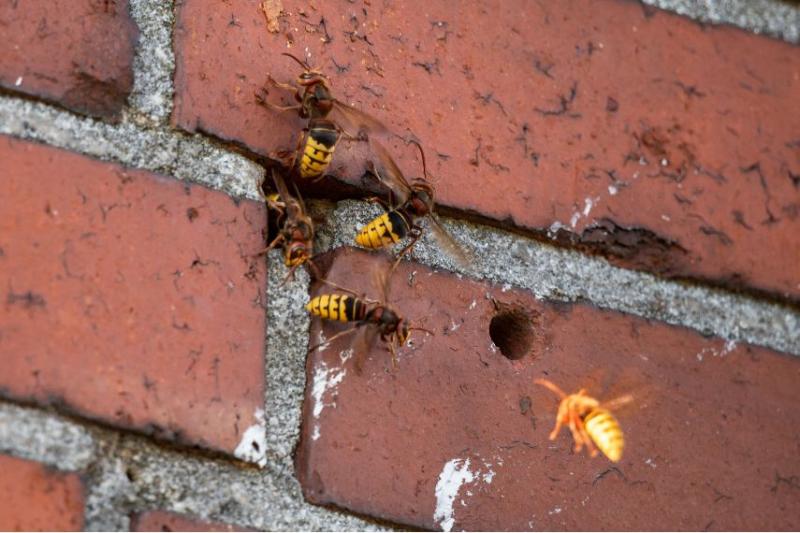
Hornets are the larger cousins of wasps. They tend to be bigger and longer than wasps, and can be more aggressive if they’re provoked.
They can be good to have around if you’re a keen gardener because they prey on species that eat plants and crops. They’re useful for pollination too.
Read our guides on how to get rid of wasps and how to get rid of bees naturally.
Invasive Asian Hornets
The Asian Hornet is a type of hornet that isn’t native to the UK. It was accidentally brought to France in 2004, and since then has spread to some other countries in Europe.
The problem with this specific type of hornet is that it’s a predator of bees, which are an important part of our ecosystem.
If you spot one, you should report it.
How to avoid getting a hornet infestation
There are a few ways you can stop hornets coming to visit in the first place – or at least, keep them to a minimum!
Hornets in the home
- Make sure you don’t have any holes or cracks in your home’s exterior.
- Make sure your bins are sealed and take them out regularly.
Hornets in the garden
- Keep any trees or hedges around your house trimmed, so they can’t nest in them.
- Grow strong-smelling plants and herbs in your garden, like citronella or thyme.
How to know if you have a hornet problem
There are a few signs you might have a hornet problem in your house or garden:
- Seeing them more often – they're most active during summer and early autumn.
- Noticing signs of aggression – as hornets are territorial, they might swarm if they feel their nest is threatened, meaning you could be close to one.
- If you actually find a nest – they’re usually grey, a round shape and have a sort of papery texture.
How to find a hornet nest
Hornets like to build nests in sheltered spots, so they’re safe from any predators or bad weather.
This means you might be more likely to find them in:
- attics
- crawl spaces
- chimney
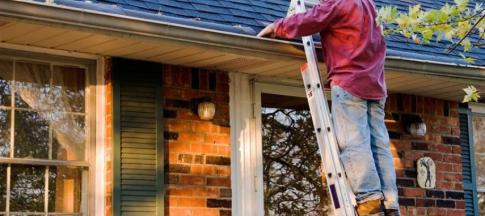
- guttering or eaves
- sheds or garages
- trees close to your home
How to get rid of hornets naturally
The best natural way to try and get rid of hornets is to use strong smells to drive them out.
Hornets are repelled by the smell of:
- peppermint and mint
- citrus fruits
- garlic
- bay leaves
- tea tree oil
You could try:
- Mixing some of these scents into a water solution and using a spray bottle to spray it over the nest.
- Soaking cotton balls in the scent, for instance, peppermint oil, and leaving it near the nest.
- Leaving the actual source of these smells close to the nest, for example citrus peels or garlic cloves.
Whatever you do, make sure you wear protective clothing when you approach the nest. And only do it at night, when the hornets should be dormant.
It’s not safe to pick up and remove the hornet’s nest yourself.
How to get rid of hornets professionally
If none of the natural methods work, it’s time to call in a professional pest control company.
They'll have the right tools and equipment to safely get rid of the nest for you.
Does home insurance cover hornet removal?
No, standard home insurance doesn’t usually cover pests or getting rid of them.
But you can sometimes choose specific add-ons, so you can get cover for them. For example, we offer Home Emergency Extra cover, which covers you for removing a hornet infestation found in your home.
Remember, policy limits and exclusions apply. Always check your policy book to see what you’re covered for.