
Press Office
Pothole claims fall for the first time in five years – yet majority of drivers say roads are worse
Admiral urges drivers to watch for HIDDEN POTHOLE DAMAGE ahead of National Pothole Day (Jan 15th)
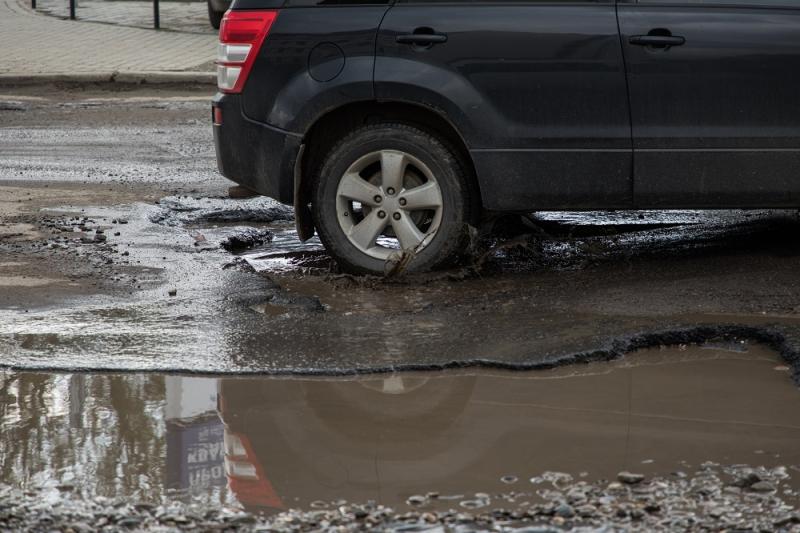
- Two thirds (62%) of motorists worry potholes are causing long-term damage to their car despite £7.3bn road investment announced in Autumn Budget
- Insurance data shows almost half (46%) of pothole-related claims take place between January and April
- Half of motorists (49%) who have hit a pothole have caused damage, with average repair costing almost £200
- Engineer and pothole damage expert Graham Molsher reveals how to spot the hidden signs of damage to your vehicle
- Admiral’s step-by-step guide explains how to claim compensation from those responsible for the upkeep of roads as ‘Pothole Season’ begins
Ahead of National Pothole Day on 15th January, Admiral is advising drivers to spot the hidden signs of long-term damage caused by potholes. Claims data from the insurer has seen the number of pothole related claims fall by a fifth (20.3%) in 2025, dropping for the first time in five years. Yet new research reveals drivers spend £189 on average on pothole-related repairs and 57% of motorists claim their local roads have worsened in the last year.
The colder weather means ‘Pothole Season’ (January to April) marks the peak months for pothole-related claims across the year (46% of claims happen during this period). With 62% of drivers suspecting potholes have caused their car long term damage, Admiral warns motorists to check vehicles now – avoiding costly repairs further down the line.
Despite Admiral seeing a fall in pothole claims in 2025, almost half of all drivers (48%) say they’ve hit a pothole at least once in the last 12 months. Half of those who have hit a pothole (49%) have damaged their car as a result.
All this is despite an extra £500 million in pothole-repair funding for councils being launched last April, with a further £7.3 billion invested in local roads announced in the recent Autumn Budget4.
A quarter of drivers (25%) have changed their route just to avoid potholes in their local area – signalling there’s still a long way to go to fix the plague of potholes in the UK.
Graham Molsher, Engineer and Pothole Expert, addresses common issues caused by potholes and how best to spot the signs of damage:
“Potholes aren’t just a nuisance - they can be dangerous. A single hit can damage tyres, wheels, suspension and even knock wheel alignment out of manufactures specification, meaning safety systems like ADAS would need to be re-calibrated. However, damage isn’t always obvious straight away, meaning repeated impacts can accelerate wear and tear and lead to expensive repairs, affecting how safely your car drives.”
Graham adds that spotting the signs early can save you money and hassle, and encourages motorist to look out for:
Key signs of pothole damage: |
Bulges on tyres |
New warning lights |
Uneven tyre wear |
Steering wheel vibrations |
Strange noises |
The car pulling to one side |
“To save yourself from costly repairs and ensure your vehicle is safe to drive, it’s important to get these problems checked out by your garage as soon as possible.”
Top five areas of damage caused by potholes:
Car part: | Drivers experiencing damage (%): |
| 53% |
| 33% |
| 28% |
| 27% |
| 27% |
For anyone unfortunate enough to encounter a pothole, causing damage to your vehicle, there are options. If they have Comprehensive cover, claiming for pothole damage should be a straightforward process, but it can affect their no claims bonus, and they may need to pay an excess.
Or they can try to claim compensation for any damage caused, through whoever is responsible for the road, although this can be a tricky process and there is no guarantee they will be successful.
John Coles, Head of Customer Claims at Admiral, explains:
“For the first time in five years, we’ve seen a fall in pothole claims, which sounds like good news. It would be great to think that we’ve finally turned a corner and are getting a grip on potholes. However, drivers are telling us a very different story. The majority of motorists say that the number and severity of potholes has got worse in the last year, with only one in five saying things have improved.
“It’s likely that the claims we see are just the tip of the iceberg, as these will usually be cars that have been severely damaged. If the damage is relatively minor, drivers may decide to pay for the repair themselves. We want to help motorists spot the warning signs early, before small impacts turn into costly problems. Our guide sets out how to make a claim, so motorists know what to do if they’re affected.”
How to claim compensation for pothole damage
Although there’s no guarantee that motorists will be able to claim any money back if their car is damaged by a pothole on a British road, Admiral has created a step-by-step guide explaining how to submit a compensation claim to the authority responsible for the road:
- Collect your evidence: Make a note of the pothole’s location, the time and date you hit it and get a photo, and take your car to a garage to get a mechanic’s report.
- Who’s responsible: The next step is to work out who maintains the road; different authorities are responsible for maintaining certain types of roads.
- Reporting it: You’ll then need to lodge a formal claim. Include as much information as possible, including the mechanic’s report and repair costs and any photos you’ve taken.
- Receiving an offer: You’ll then receive an offer for compensation – if you’re not happy with this, you’re able to query the claim with the council.
- Offer rejected: If you feel your claim has been unfairly rejected, you can seek legal advice or make a case through the courts.
- Claiming through insurance: With comprehensive cover you can claim for pothole damage - however it’s worth considering damage costs, excess payments and your No Claims Bonus.
Admiral’s full step-by-step guide can be found here.