
Driving in winter can be tricky thanks to slippery roads and poor visibility.
But you can help lower your risk of an accident or a breakdown by giving your car a winter health check.
1. Check your windscreen
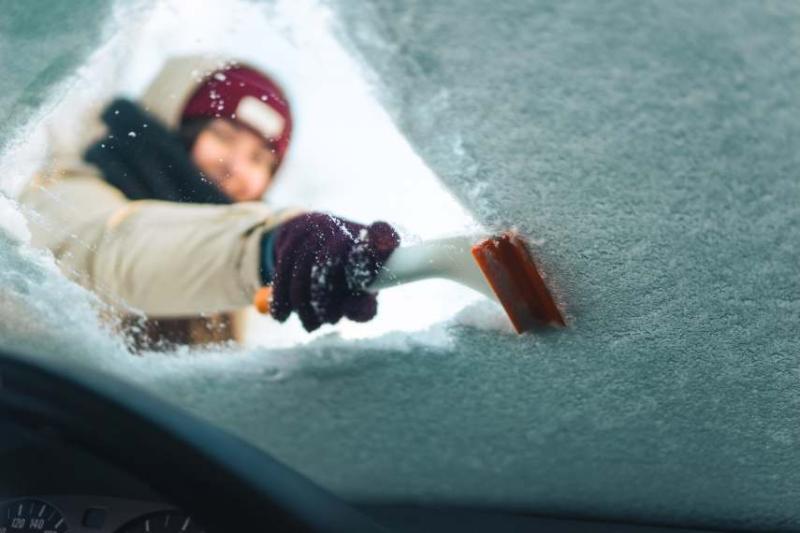
Make sure your windscreen isn’t about to chip or crack. This is more likely to happen in winter when you need to de-ice it.
Windscreen protection is an important part of most car insurance policies.
There are some things you can do to avoid windscreen damage:
- Check the weather – use a windshield if frost is forecast overnight
- Clear frost slowly – use de-icer and scrape slowly when your windscreen is frosted
- Avoid using boiling water – it can cause cracks or chips
- Look after your wipers – worn wipers can also reduce your visibility in snow and rain
2. Check your tyre tread depth
Worn tyres increase your chances of skidding, aquaplaning and being in an accident. They can also mean a fine of up to £10,000 (£2,500 per tyre) and 12 penalty points.
Legally, the tread depth must be at least 1.6mm - but experts recommend 2-3mm to be safe.
There are a few ways to check the tyre tread depth, including:
- tread depth gauges
- tyre tread indicators
- tools in professional garages
But the simplest way to check is the 20p test:
- Pump each tyre up – the test doesn’t work if they’re flat.
- Place a 20p into the groove of a tyre.
- If you can’t see the coin’s outer band, your tyres are above the legal limit.
- If you can see the coin’s outer band, they’re below the limit and need replacing.
Check out our handy video guide on checking tyre tread and pressure.
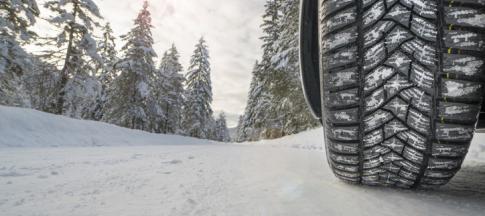
You can also choose winter tyres if snow and ice are common where you live. They have deeper treads and softer rubber, so you have more grip on the road.
3. Check your coolant levels regularly
Coolant cools down your engine, stops it freezing and holds off rust. It’s a mixture of antifreeze and water.
It’s always good for your car, but it’s super important in sub-zero temperatures. You should regularly check your engine’s coolant level and top it up when it’s needed.
Only try to change the coolant when the engine is off, or you’ll burn yourself.
The ideal coolant level is between the min/max in the tank but check your car’s user manual. You need a protection level of at least -25°C.
Use our step-by-step video on checking engine coolant if you'd like to do it yourself.
4. Maintain your lights and use the right ones
Visibility on the roads is worse in winter, so you need reliable, well-maintained lights.
You should visually check your vehicle’s lights often. If a light’s out, replace it before you drive again.
We have a useful video tutorial on checking and changing your car's lights if you'd like to learn more.
Legally, all your car's exterior lights must work– that's everything from the headlights to indicators and even the number plate bulb.
When to use your car’s lights
This is when to use your different lights:
- dipped headlights – dusk, night and in poor visibility (fog, heavy rain etc.)
- high or full beam – when conditions are poor (heavy fog, hail, etc.)
Turn your high or full-beam headlights back to dipped if you see another driver as the bright lights can obscure their view of the road.
The days are shorter in winter, so you may be doing more night-time driving. Read our guide on driving at night for more advice.
5. Check your wipers
In winter, your windscreen can get dirty much quicker from rain, ice, salt and muddy water.
This means it’s really important to have working wipers and filled windscreen wash.
If your wipers aren't working or the windscreen wash is empty, you can be stopped by the police.
Having faulty wipers/blades is also a common reason for failing your MOT.
Avoid this by:
- making sure your wiper blades are clean and don’t leave smears or streaks
- running your fingers along the wipers to check for splits
- not using washing-up liquid in your washer reservoir
- using washer fluid that can handle temperatures of at least -15°C
Experts recommend you should change your wiper blades every year.
Check out our video guide on changing windscreen wipers if you think your wipers need replacing.
6. Keep an eye on your engine oil
Motor oil behaves differently at very cold temperatures, and it doesn’t flow as well. That means your engine may take longer to heat up or not run as well.
To avoid engine damage and a potential breakdown, check your engine dipstick regularly and keep the oil topped up.
Remember – too little or too much oil can cause problems.
Try to change your oil and filter every year (usually at the annual service), and don't ignore any warning signs.
If you do, your engine will seize up and could cost thousands to rebuild or replace.
Engine leaks
Keep an eye out for leaks too. Losing oil too quickly and seeing dark puddles under your car are signs that you have a leak.
Here are some common causes of engine leaks:
- a damaged oil filter
- a failing filter cap
- leaking oil pan gasket
- broken valve cover
- too much oil
Contact a professional if you aren’t comfortable finding the leak’s source.
Lastly, check your car’s manual to make sure you’re buying the right oil type from a reputable brand.
If you want to check and top up your engine oil, our step-by-step video is here to help.
7. Test your brakes
Your brakes can help keep you from aquaplaning and skidding in the winter, which can both be really dangerous.
Some garages and tyre fitters do free brake tests. The technicians will check your car’s brake pads, shoes, callipers, discs and so on.
Here are some common signs your brakes are damaged:
- loud or squeaking noises when braking
- spongy or soft brakes
- a burning smell when you brake
- your brake light flashes when you’re not braking – if you notice any of these, get your brakes tested!
8. Test your battery
It’s a lot more common to get a flat battery in winter. You might be using heaters, demisters and lights more in cold, dark weather – which can put strain on the battery.
People also tend to drive shorter distances more often in winter to avoid getting caught out in the rain. But that can mean the engine and alternator struggles to recharge the battery.
As part of your car’s winter health check, get a professional to test your battery. You may want to buy a battery charger and jump leads too.
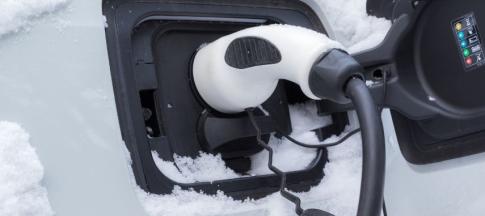
EV batteries can also be affected by winter conditions and the increased use of heaters, demisters and lights. If you’re driving an EV or hybrid, it’s important to check your batteries too.
9. Top off the bodywork
Salt and grit help keep roads running, but they can lead to rust and corrosion on your car.
The only way to stop this is by getting ahead of it. Wash and wax your car before the weather gets bad, paying attention to the wheel arches and underside.
This should keep your car in good shape over the winter and help stop any long-term damage.
10. Have the right insurance
Do you have the right cover?
Our car insurance includes features like personal injury cover, courtesy cars and windscreen cover on comprehensive cover (excluding the Essential tier).
Don’t forget, limits and exclusions always apply here!
Make sure you have the right cover to protect you if something goes wrong.
If you’re worried about breaking down, our Platinum Insurance includes roadside breakdown cover as standard. It can be added to our other levels of cover.
What if I don’t have time for a winter health check?
Head to your local garage or tyre fitter if you don’t have time to do any of the steps we’ve gone through – many garages offer special winter checks.
If you have any problems with the cost, prioritise your tyres and visibility.
Read our tips for driving in snow to stay prepared, too. We also have a great guide on driving in fog.

Gareth Herincx
Motoring journalist
I'm an experienced journalist, digital editor and copywriter, now specialising in motoring. I’m editor of Automotive Blog and have worked across the media in newspapers, magazines, TV, teletext, radio and online for household names including the BBC, GMTV, ITV and MSN. I’ve produced digital content in the financial sector for Lloyds Bank, Nationwide and the Money Advice Service. I'm married with two children and live near Bath in Somerset.