
Press Office
The White Lie Effect: 1 in 8 admit exaggerating insurance claims as untruths and AI edits surge
Admiral reports a 71% increase in detected fraud, uncovering £86.8m in fraudulent motor, home and travel claims in 2025
- From exaggeration to AI manipulation: Fraud teams are seeing AI-altered images of damaged watches, designer goods claims unravelled by social media evidence, and extreme sport injuries presented as “walking accidents”.
- Event-led spikes emerging: Surges in fraudulent claims for televisions and electronics often coincide with major sporting tournaments and new tech drops.
- Minor embellishments, major fallout: One in eight people admit exaggerating a claim, despite the risk of rejected payouts, cancelled policies and even criminal prosecution.
Insurance fraud in the UK is on the rise, and it’s not just organised criminals driving the trend. New data from Admiral reveals a sharp increase in detected fraudulent claims last year, with every day “white lies” and AI-manipulated images and documents contributing to the surge.
In 2025 alone, Admiral detected £86.8 million in fraudulent claims, up 71% from £50.9 million in 2024 – a rise linked to people exaggerating their insurance claims, and Admiral improving detection methods to better protect customers. Many don’t realise that exaggerated claims are fraudulent, the serious consequences they can lead to or the impact they have on honest customers.
From exaggeration to AI manipulation
A commonly detected type of fraud Admiral sees is the digital manipulation of images, - with manipulated images of stolen or damaged items and fabricated documents being submitted on a regular basis. While a lot of these images are amateurish, claims handlers at Admiral say AI is increasingly being used to exaggerate insurance claims.
Recent AI-doctored or digitally altered claims include:
- A designer watch made to look damaged using an AI filter
- The same damaged car edited with a different number plate to claim twice
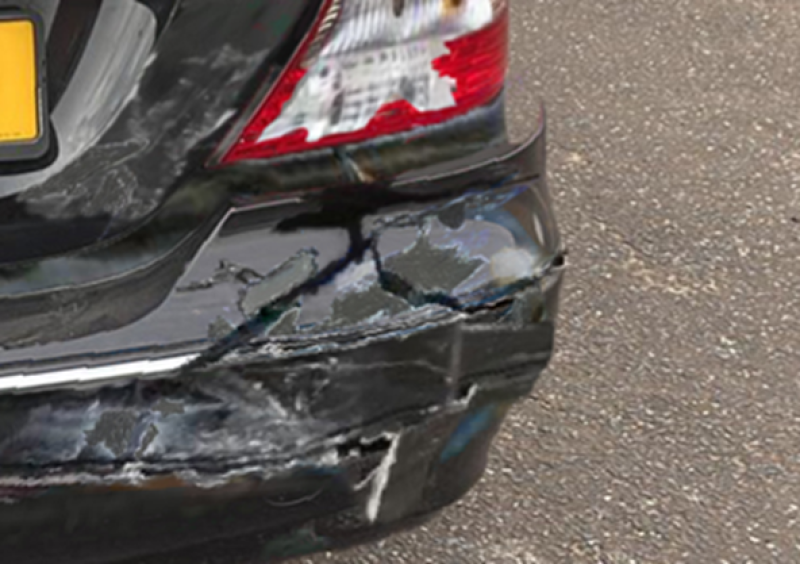
- Damage to rear of vehicle added in photoshop
- Damage added to designer shoes in photoshop
- Photos of damaged luggage sourced on the internet and submitted in a claim
More conventional exaggeration tactics are also commonplace. In one case, dashcam footage captures an individual attempting to claim for their own injuries and those of their mother following a minor car accident involving an Admiral customer - despite no one being in the car at the time. After reviewing the video footage and medical notes, Admiral was able to reject the fake claim and protect its customer.
Other examples include faked damage to designer shoes, extreme sport injuries presented as walking accidents, and even claims for winter ski jackets on summer holidays – all of which were detected and rejected.
Scoring a new TV
Alongside AI-altered pictures and documents, Admiral’s data shows seasonal and cultural trends, with fake claims for televisions, gadgets, and other electronics spiking around major sporting tournaments, TV and film releases, and new tech drops. This includes phone claim spikes around new launch of a new iPhone, and claims for TVs around the World Cup and new Disney+ releases.
Minor embellishments, major fallout
According to new national research survey by Admiral, one in eight people (13%) admitted to inflating an insurance claim, while a quarter (25%) have been tempted to do so to claim more money.
Anyone exaggerating their claims risks having their entire claim rejected, their policy cancelled and even potential criminal prosecution. Yet only 19% cited fear of legal consequences as what would discourage them most from exaggerating a claim, showing many underestimate the real-world repercussions of minor embellishments. In fact, 27% don’t realise what constitutes insurance fraud – and believe that things like exaggerating an insurance claim or making a claim based on false information is not illegal. Meanwhile, over a quarter (27%) think that insurance fraud doesn’t impact them, with a similar number saying that it’s a victimless crime (24%).
More fraud? Or smarter detection?
Insurers are responding with sophisticated detection methods. Industry-wide, the Association of British Insurers reported £1.16 billion in fraudulent general insurance claims detected in 2024, illustrating both the scale of the problem and the growing capacity to tackle it. Advanced analytics, combined with collaboration with the Insurance Fraud Enforcement Department (IFED) and the Insurance Fraud Bureau (IFB), are enabling insurers to identify fraud with greater accuracy.
Sian Davies, Head of Financial Crime Prevention at Admiral, said: “We understand that some people see small exaggerations as harmless. But even minor ‘white lies’ can lead to cancelled policies, difficulties getting cover in future and, in serious cases, prosecution.
“Our focus is to help and protect honest customers while identifying anyone committing fraud. Insurance fraud certainly isn’t a victimless crime, it affects everyone through higher premiums.
“We have experts in all our product teams who are skilled at detecting fraudulent claims and we work closely with the industry to spot emerging trends, including AI-driven fraud, so genuine claims can be handled quickly and fairly. If you’re ever unsure about what to include in a claim, it’s always best to ask.”
Jon Radford, Head of Intelligence, Investigations & Data Services, IFB said: “Insurance fraud might look like an easy way to try your luck, but the consequences are anything but. Anyone caught faces being placed on the Insurance Fraud Register, making it extremely difficult to get insurance in the future, not to mention the real risk of fines or even a criminal conviction.
“Fraud isn’t a victimless crime. It puts innocent people at risk and drives up premiums for everyone else. That’s why, we work closely with insurers and the police, and we’re fully behind the Government’s Fraud Strategy, which is cracking down harder than ever on this type of criminal behaviour.
“It’s simply not worth it. Think twice and keep an eye out for friends or family who may be struggling. One lie could have life‑changing consequences.”